Attic problems can look alike from the living room: a room that never feels right, an upstairs that bakes all summer, a heating and cooling bill that keeps climbing. These guides explain what can be behind those symptoms, how attic insulation and the air leaks under it work together, and what each fix can and cannot do. They also answer the practical questions: what drives the cost of attic insulation, when old insulation has to be removed and replaced, how blown-in insulation works and what R-value an attic in North Carolina needs. Others take on problems homeowners search for: a hot upstairs, a high summer electric bill, attic condensation, mice in the insulation, leaky attic ducts, and whether a radiant barrier or an attic fan is worth it. They are written for North Carolina homes, where long, humid summers put attic insulation to work. If you would rather have someone look at your own home, see what we do for attic insulation, attic insulation removal and air sealing, browse all of our insulation services, or request a free estimate.
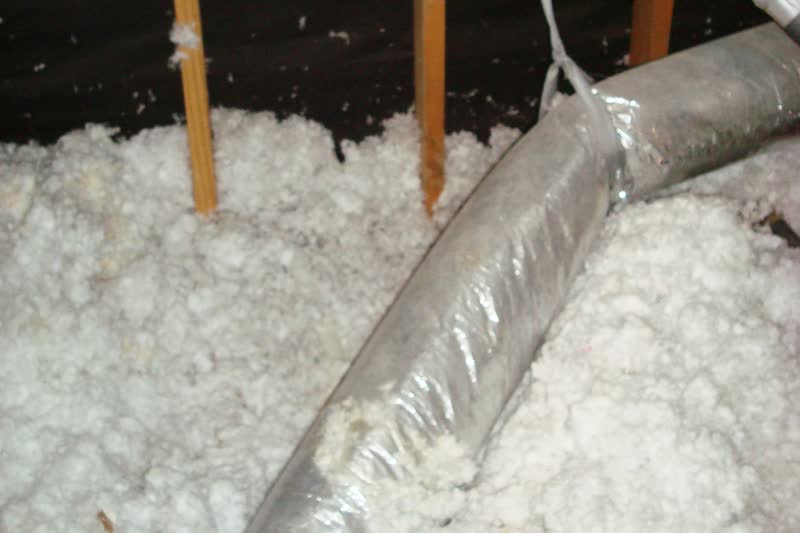
The higher the R-value, the greater the insulating power. Ask your seller for the fact sheet on R-values. In blown-in fiberglass, the attic insulation we install, ENERGY STAR's estimating figure puts R-38 at about 15 inches; the coverage chart of the product used gives the exact installed thickness for each R-value.
How These Guides Are Written
Each guide lists the sources it relies on, such as the U.S. Department of Energy, ENERGY STAR, the EPA and the North Carolina building code, and shows the date it was published or last updated. The guides are general guidance for North Carolina homes, not a diagnosis of your house.