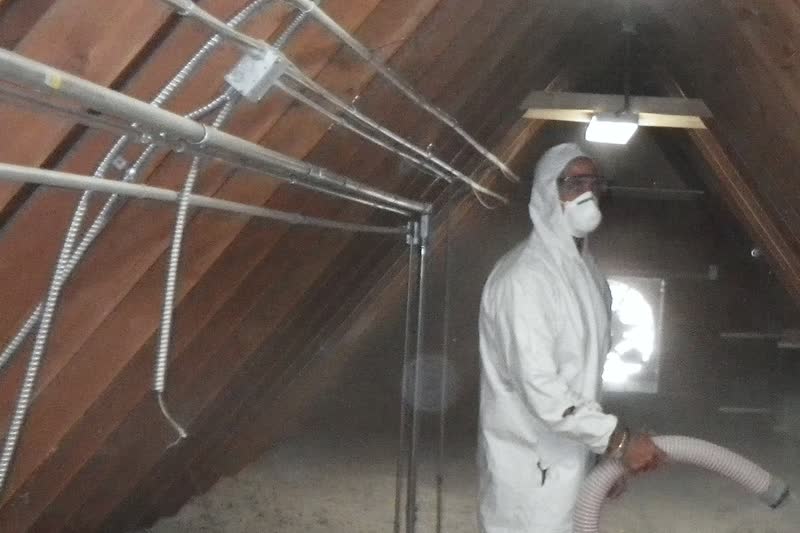
Crawl Space & Floor Insulation in North Carolina

Cold floors all winter, or insulation hanging down under the house? Insulation Pros insulates the floors over crawl spaces across North Carolina. We pull out the wet or fallen insulation, fit new batts between the floor joists, lay plastic over the dirt and seal the holes where pipes and wires come up through the floor. The estimate is free.

Signs the Floor Over Your Crawl Space Needs Insulation

Hardly anyone sees the insulation under their own floor. You notice it in the rooms above it, or with a flashlight at the crawl space door.

  • Floors That Stay Cold All Winter

    If the floors never warm up in January, most of all in the rooms right over the crawl space, heat is leaving through the floor. Thin or missing insulation is one cause. Air coming up around pipes and wires is another, so we look at both.

  • Insulation Hanging Down or Lying on the Ground

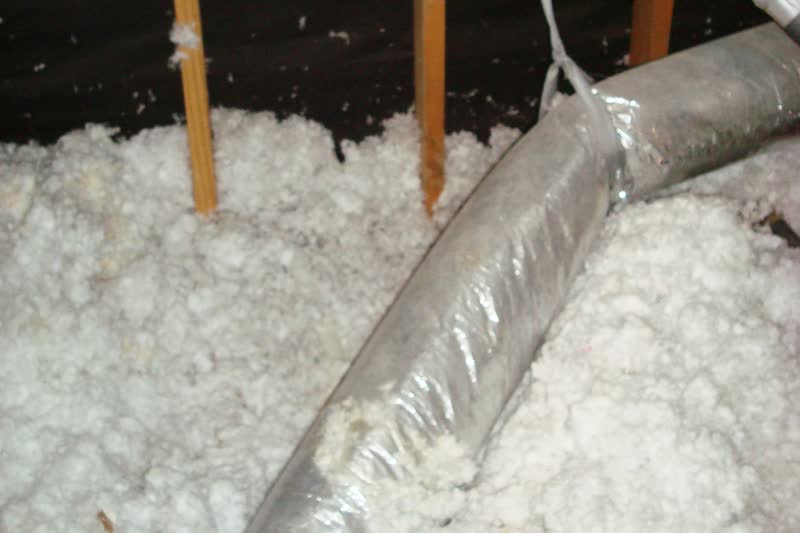
    Shine a light along the joists from the access door. Batts that droop, hang by one corner or lie on the dirt have stopped working. Floor insulation only does its job while it's held tight against the floor above it.

  • Insulation That Looks Wet or Matted

    Insulation that has turned dark and matted, feels heavy or smells musty has been taking on water. Wet insulation does very little to slow heat, and it holds the water against the wood above it. It has to come out, and why it got wet matters as much as the new batts.

  • Bare Dirt or Torn Plastic on the Ground

    If you can see bare soil under the house, or old plastic that's torn, bunched up or half buried, moisture from the ground is rising into the air your floor insulation hangs in. Plastic over the dirt is part of this job, and it goes down before the new batts go up.

Seeing something that is not on this list?

Tell us what is going on


Insulation under a house has one job. It slows the heat moving between your rooms and the crawl space below them, which in most houses is open to the outdoors through foundation vents. In a crawl space like that, the insulation belongs between the floor joists, pressed against the underside of the floor. North Carolina's residential code puts the insulation of a vented crawl space in the same place: the floor.

That's the work we do under the house. We pull out insulation that's wet, fallen or soiled by animals, and we fit new batts between the joists and hold them up against the floor. We lay plastic over the dirt, and we seal the holes where pipes and wires come up through the floor, because batts slow heat but don't stop moving air. Most of our days are spent in attics, so if attic insulation or air sealing would do more for your house, we'll tell you that first.

It helps to know what this job isn't. It isn't crawl space encapsulation, where the walls are lined and the vents are closed, and it doesn't include dehumidifiers, drainage, sump pumps, waterproofing or mold remediation. We don't do that work. If your crawl space has standing water or mold on the wood, that needs a crawl space moisture contractor first, and we'll say so before we price any insulation.

Questions About Crawl Space Insulation? Talk to Us

Call (336) 870-3893

Monday to Friday 8:00 am to 5:00 pm. Saturday by appointment. Sunday closed.

5.0 from 16 Google reviews (opens in a new tab)

Request a free estimate

Why Crawl Space Insulation Fails

Insulation under a floor rarely just wears out. Something happens to it: water, gravity, an animal or a repair. The cause decides what the fix should be.

Why does insulation fall down in a crawl space?

Usually it's moisture, with gravity doing the rest. Insulation that takes on water gets heavy, pulls away from the floor and works loose from whatever holds it up. Too few supports will bring it down even in a dry crawl space. North Carolina's energy code requires floor insulation to stay in permanent contact with the subfloor, on supports no more than 18 inches apart. When whole rows are down, ask why before asking how soon they can go back up.

Why does crawl space insulation get wet?

Most often it's summer air, not a leak. A guide written for the U.S. Department of Energy's Building America program explains that fiberglass batts between the joists of a vented crawl space are cool on their underside, and the joist edges are cooler still. Where those surfaces drop below the dew point of the air around them, water condenses, and the guide says damp batts insulate poorly. A plumbing leak or bare, damp soil can soak insulation too.

Can wet insulation be dried out and put back?

As a rule, no. The EPA's guide to cleaning up water damage, written for schools and commercial buildings, gives one instruction for wet fiberglass and wet cellulose insulation: discard and replace. So wet batts come out and leave with us. New ones go up once the cause is dealt with, whether that's a leak a plumber has fixed or bare dirt that now has plastic over it.

Why are my floors still cold with insulation under them?

Because insulation only works where it touches the floor, and it doesn't stop moving air. A Building America guide prepared by the Pacific Northwest National Laboratory says floor insulation has to sit in full contact with the subfloor, with no gaps, voids or squashed spots, and that batt insulation isn't a good air barrier. North Carolina's code calls for the openings around pipes and wires to be sealed, and it doesn't accept fiberglass as the seal.

Does bare dirt under the house matter?

It does, because soil is rarely dry. The U.S. Department of Energy's insulation fact sheet puts it simply: thick plastic on the crawl space floor keeps ground moisture out of the crawl space air, and so out of the house. The Department's Building America Solution Center says every crawl space should have a polyethylene ground cover, vented or not. Bare dirt keeps feeding damp air to the batts overhead.

Can animals or repair work damage crawl space insulation?

Yes, and these are the cases where replacing the insulation is often the whole job. Animals tunnel and nest in it, a slow plumbing leak can soak one area, and anyone working under the house may pull sections down and leave them on the ground. When the cause was a one-time event, the repair is usually limited to the damaged part. Pest control and plumbing aren't our trades, so those get fixed first, by the right people.

Not sure what happened under your floor? Tell us what you can see from the crawl space door, or send a photo, and we'll tell you what we think.

Get a Free Estimate

What You Can Count On

  • Free Estimates, No Upselling
  • Family Owned & Operated
  • 5.0 Stars from 16 Google Reviews
  • Attic Insulation Specialists
  • Serving All of North Carolina
  • Call (336) 870-3893 or text this number

What Our Customers Say

5.0 out of 5

Based on 16 Google reviews

Read what customers say on Google

Our Google reviews are public, so you can read every one in full and see who wrote it.

Worked with us? A few honest words help your neighbors decide.

What Crawl Space Floor Insulation Includes

There are four parts to the job, and your estimate lists the ones your house needs. Some floors need all four. Some need one.

Section through a house over a vented crawl space. Insulation fills the space between the floor joists from wall to wall, pressed against the underside of the subfloor and held up by supports. A pipe comes down through the floor and runs over to the foundation wall; the gap where it passes the subfloor is sealed. Plastic sheeting covers the dirt from wall to wall, overlapped where two sheets meet and turned up a little at the walls and the piers. Both foundation vents are open, with outdoor air coming in.12345
  1. 1Batts between the joists. Cut to the joist spacing and pressed up against the underside of the floor with no gaps.
  2. 2Supports. They hold the batts against the floor for good, no more than 18 inches apart under North Carolina's code.
  3. 3Floor leaks sealed. The gaps around pipes and wires that come up through the floor are sealed before the batts cover them.
  4. 4Plastic over the dirt. It keeps ground moisture out of the air under the floor.
  5. 5Open foundation vents. They stay open. In a vented crawl space the floor is where the house gets its insulation.

Wet or fallen insulation comes out before any of this goes in.

Under the floor of a vented crawl space: batts held tight to the floor, the floor leaks sealed and plastic over the dirt.
  • Wet or Fallen Insulation Pulled Out

    Batts that are on the ground, hanging loose, soaked or soiled by animals come down and leave with us. Batts that are dry, clean and still tight against the floor can stay, and we'll tell you when yours qualify.

    • Fallen and wet batts hauled away
    • Animal-soiled insulation removed
    • Sound, dry batts left in place
    • Nothing old left lying on the dirt
  • New Batts Between the Floor Joists

    New batts are cut to the joist spacing, fitted around pipes and wires, and pressed up against the underside of the floor with no gaps. Supports hold them there for good, no more than 18 inches apart under North Carolina's code, so they can't sag or drop.

    • Sized to the joist spacing
    • Tight to the subfloor, no gaps
    • Held up by supports
    • Cut around pipes and wiring
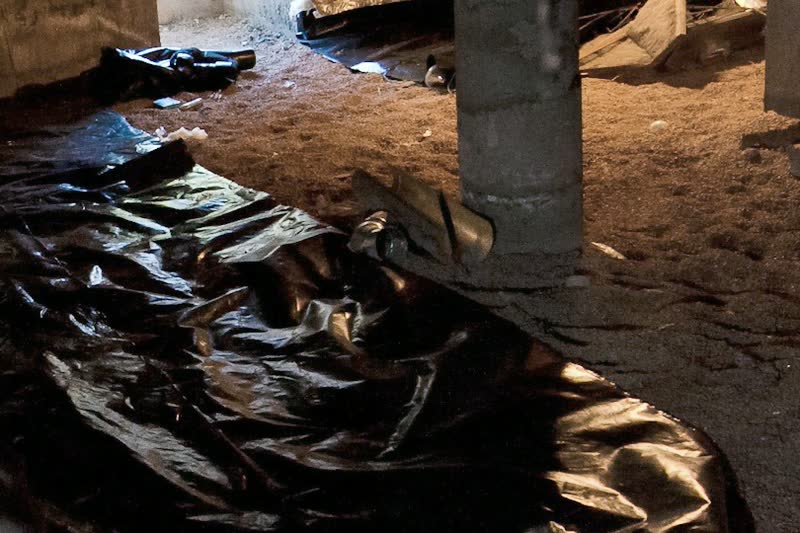
  • Black plastic sheeting, a ground vapor barrier, laid over part of the dirt floor of a crawl space, beside a concrete pier.

    Plastic Ground Cover Over the Dirt

    Plastic laid over the soil keeps ground moisture from rising into the air under your floor. It's a plain ground cover, often called a crawl space vapor barrier. The foundation vents stay open, and torn or bunched-up old plastic comes out first.

    • Bare dirt covered with plastic
    • Old torn plastic removed first
    • Sound old plastic left in place
    • Foundation vents left open
  • Floor Air Leaks Sealed

    Every pipe and wire that comes up through the floor leaves a gap around it, and crawl space air rides up through those gaps into your rooms. We seal them before the new batts cover them, since batts slow heat but don't stop air.

    • Gaps around plumbing pipes sealed
    • Holes around wires sealed
    • Done before the batts go up
    • Never stuffed with fiberglass

Which of these does your home need?

Get a free estimate for crawl space insulation

The Crawl Space Insulation Process, Step by Step

Here is how a crawl space insulation job goes with us, start to finish.

  1. Tell Us About the Floor

    Call, text or use the contact form. Tell us the size of the house and what you've noticed in the rooms or under them. A photo from the crawl space door helps a lot.

  2. Get an Honest Price

    Most floors we price from the square footage, with no visit. If the crawl space needs a closer look first, we make a special visit. The estimate is free, and it covers what the floor needs and nothing else.

  3. Insulate and Clean Up

    The wet or fallen insulation comes out, the floor leaks get sealed, the plastic goes down and the new batts go up. Before any work starts, the crew tells you what they see down there and whether anything changes the job.

Is Crawl Space Insulation Worth It?

Usually, when the floor is bare or the old insulation has failed. The floor is a bigger part of your home's shell than most people think. A guide prepared for the U.S. Department of Energy's Building America program notes that floors can make up a quarter to a third of a house's outer surface, and that flaws in the insulation and air barrier over a vented crawl space lead to uncomfortably cold floors and higher heating and cooling costs.

We won't promise you a number. ENERGY STAR's familiar estimate, an average saving of about 15 percent on heating and cooling costs, comes from sealing air leaks and adding insulation in the attic, over crawl spaces and in a few other easy-to-reach places together, not from the floor alone. If the attic would do more for your house, we'll tell you to start there.

Savings vary. Find out why in the seller's fact sheet on R-values. Higher R-values mean greater insulating power.

Dry is what makes it last. Batts hung over damp, bare dirt take on water and come down. That's why the ground cover and the floor leaks are part of the same job, and why we'll tell you plainly if your crawl space has a water problem that new insulation can't fix.

The Short Version

  • Warmer floors in the rooms over the crawl space
  • Batts held tight against the floor
  • Dirt covered and floor leaks sealed first

Crawl Space Insulation R-Value in North Carolina

A vented crawl space sits outside the heated part of the house, so the floor over it is a floor over unconditioned space. North Carolina's energy code sets the minimum for that floor at R-19 in climate zones 3 and 4 and R-30 in zone 5, the mountain counties. ENERGY STAR's figures for floors in existing homes match: R-19 in zones 3 and 4, R-30 in zone 5. Not sure which zone you're in? Our guide to attic insulation R-value in North Carolina lists every county's climate zone.

Those code numbers are minimums for new homes. An older floor is limited by its joists and by what's already there, so the R-value printed on the new batts goes on your estimate. The Federal Trade Commission's R-value Rule says installers must give customers a contract or receipt that shows how much area was covered, how thick the insulation is and its R-value. Ask every company you call for those three lines.

Crawl Space Insulation Removal and Replacement

Most floor jobs start with taking something out. Batts that have fallen, soaked up water or been torn up by animals come down first, along with the scraps lying on the dirt under them. All of it leaves with us.

Not all of it has to go. Batts that are dry, clean, full thickness and still tight against the floor are doing their job, and we leave them. What matters is finding out what ruined the rest. New insulation hung where the old insulation fell is likely to end the same way, so the cause gets named on your estimate along with the fix.

Two things we point out and leave alone. Old pipe wrap may contain asbestos, and the EPA says you generally can't tell by looking, so it stays put for an asbestos professional. Soft or rotted wood is structural repair, which we don't do, and we'll tell you about it instead of covering it up.

Crawl Space Vapor Barrier: Plastic Over the Dirt

A crawl space vapor barrier is a sheet of polyethylene plastic laid over the soil under your house. It keeps the moisture in the ground from rising into the air and the wood above. You'll also hear it called a moisture barrier or a ground cover. The U.S. Department of Energy's job aid for weatherization installers calls for sheeting no thinner than 6 mil, with a perm rating no higher than 0.1.

In a vented crawl space it works alongside the vents, not instead of them. North Carolina's code lets a vented crawl space with covered soil get by with a tenth of the vent area it would otherwise need, as long as the vents still cross-ventilate. So the plastic goes down, the vents stay open and the walls aren't lined.

Old plastic doesn't always have to go. If what's down there is whole, lies flat and covers the dirt, we'll tell you to keep it. If it's torn, bunched up or half buried, it comes out before the new sheet goes down.

What Drives the Cost of Crawl Space Insulation?

We don't print prices, but we can tell you what moves them. Most floors we price from the square footage: you tell us the size of the house, or we work it out from your home's footprint. Then the price follows what the floor needs. How much old insulation has to come out first. Whether the dirt needs plastic over it. How many pipes and wires come up through the floor. How much headroom there is under the house.

If we can't price it honestly from the numbers and what you've told us, we make a special visit before we price it. We believe in honest pricing, and we don't upsell. If the batts under your floor are fine and only a few have dropped, the estimate says that, and it's a small one.

Crawl Space Insulation FAQs

Is crawl space insulation necessary?

For most houses built over a vented crawl space, yes. The floor is all that separates your rooms from the outdoor air under the house, and North Carolina's code puts the insulation of a vented crawl space in that floor. An older house may have less, or none, or batts that have fallen. Whether yours needs new insulation depends on what's there now and whether the crawl space is dry enough to keep it in place.

What kind of insulation goes under a floor?

Batts. The U.S. Department of Energy's crawl space fact sheet describes batts cut to the joist spacing as the usual choice under a floor, and batts are what we install there: fitted between the joists, pressed against the subfloor and held up by supports. We don't install spray foam or rigid foam board under floors. Your estimate names the batts and their R-value.

Which way does the paper face on crawl space insulation?

Up, toward the floor, in most of the country, according to the U.S. Department of Energy's crawl space fact sheet. The part people miss is fire. The Department's general insulation fact sheet says kraft paper and standard foil facings have to be covered, and that insulation left exposed should be unfaced or carry the right flame spread rating. So paper left hanging down toward the dirt deserves a second look.

Do I still need insulation if my crawl space has a vapor barrier?

Usually, yes, because the two do different jobs. The plastic on the ground keeps soil moisture out of the crawl space air. It does nothing to slow the heat moving through your floor. Insulation does that, and it has a better chance of staying dry over covered ground. If the plastic is torn, thin or missing, new plastic goes down before the new batts go up.

Do you remove old crawl space insulation?

Yes. Wet, fallen or animal-soiled insulation comes out and leaves with us, and the cause is named before new batts go in. Dry batts that are still tight to the floor can stay. If the wood above the old insulation is soft or has mold on it, that's work we don't do. We'll point it out and tell you who to call before any new insulation goes up.

How do you price crawl space insulation without coming out?

Most floors are priced from the square footage. Give us the size of the house, or your address so we can work it out from the footprint, and tell us what you've seen under it. Photos from the access door help. If the crawl space needs a closer look before we can price it honestly, we make a special visit. The estimate is free, and we don't upsell.

Is there a tax credit for crawl space insulation?

Not for work done now. According to the IRS, the Energy Efficient Home Improvement Credit covers improvements made through December 31, 2025, and nothing later. North Carolina's Weatherization Assistance Program, run by the state's Department of Environmental Quality, serves income-eligible households, and its services may include insulation. You apply through a local weatherization agency, not through us.

Where in North Carolina do you insulate crawl spaces?

Anywhere in the state. Charlotte, Raleigh, Greensboro and Wilmington are all inside our service area, and so is every town between them. Call or use the contact form, and tell us the size of the house and what you can see from the crawl space door.

Helpful Resources

What to Expect From a Crawl Space Insulation Contractor

You'll probably never crawl under your own house to check the work. So judge crawl space insulation installers by what they tell you before the job starts, and hold us to the same test.

  1. We Find Out Why the Old Insulation Failed

    New batts hung where the old ones fell will likely come down the same way. Before we price anything, we look for the reason: damp air, bare dirt, a leak, animals or supports that were never enough. That reason decides the fix. When it's ours to fix, the estimate says how. When it isn't, like a plumbing leak or a water problem, we tell you who should handle it first.

  2. The Smaller Job When the Smaller Job Will Do

    Not every crawl space needs everything on this page. If the plastic on the ground is sound, it stays. If most of the batts are dry and tight to the floor, we replace the ones that aren't. And if the attic would do more for your comfort than the floor, we'll tell you so, even when that means a smaller job for us.

  3. A Family Owned Insulation Company Serving North Carolina

    Insulation Pros is family owned and operated, and we work in every part of North Carolina. Floors come alongside our main work, which is in the attic: blown-in insulation, old insulation vacuumed out and replaced, and air sealing. We do wall insulation and garage insulation too, so one estimate can cover more of the house. If the cold floor is in a room over the garage, that's a garage job, not a crawl space one. Our Google reviews are public, so read them first, then call or text us or use the contact form.

Crawl Space Insulation Do's and Don'ts

What to Do

  • Look in from the access door once a season. A flashlight shows insulation that's hanging, dark or lying on the ground without anyone crawling in.
  • Find the cause before you replace anything. Fallen insulation is a symptom, and new batts hung in the same damp air will come down too.
  • Cover the dirt. Plastic over the soil keeps ground moisture out of the air your insulation hangs in.
  • Get the details in writing. The area covered, the R-value of the batts and what happens to the old insulation.
  • Tell us what's under the house. A water heater, ductwork, water lines or water that stands after rain all change the job.

What to Avoid

  • Don't stuff insulation into gaps to stop drafts. North Carolina's code doesn't accept fiberglass as the seal around pipes and wires.
  • Don't close the foundation vents to warm the floor. Shutting them without a plan to keep the space dry can leave it wetter, and fuel-burning equipment needs its air supply checked first.
  • Don't leave fallen insulation on the ground. It stays wet, hides the dirt and has to come out before anything new goes in.
  • Don't pull at old pipe wrap. It may contain asbestos, and the EPA says you can't tell by looking.
  • Don't crawl in if you see water, damaged wiring or animals. Stay at the door and call the right trade first.

Crawl Space Insulation Across North Carolina

We're a family owned and operated insulation company, and we do crawl space insulation for homeowners all over the state. Pick your town to see what we do nearby, or browse all of our service areas.

Call (336) 870-3893 for a free estimate.

Cities We Serve


AshevilleCharlotteWinston-SalemGreensboroDurhamRaleighFayettevilleWilmingtonGreenville

Areas We Serve

We serve homes across North Carolina. These are the largest towns we work in.

Alamance County

Buncombe County

Cabarrus County

Cumberland County

Durham County

Forsyth County

Gaston County

Guilford County

Mecklenburg County

New Hanover County

Onslow County

Orange County

Pitt County

(336) 870-3893 Text us Mon–Fri 8am – 5pmSat By appointmentSun Closed 257-4 Grove Ct, Thomasville, NC 27360
View All Service Areas