Attic Insulation Removal in North Carolina

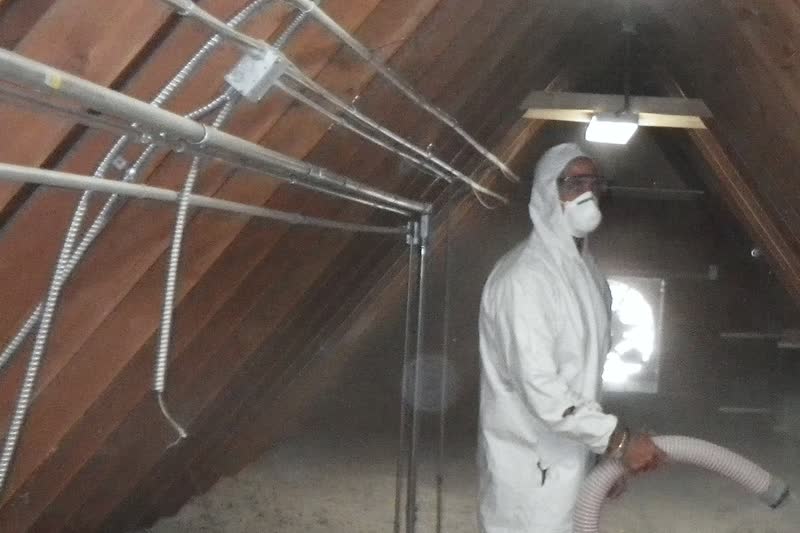
Insulation that got wet, that mice or squirrels have fouled, or that smells of smoke can't be fixed by piling more on top. Anywhere in North Carolina, Insulation Pros finds out what ruined it, vacuums the old material out of your attic and, in most homes, blows in new fiberglass over a sealed floor. The estimate is free.

Signs Your Old Attic Insulation Should Come Out

Plenty of old insulation is fine where it is. These signs say yours isn't.

  • Droppings, Trails or a Smell of Animals

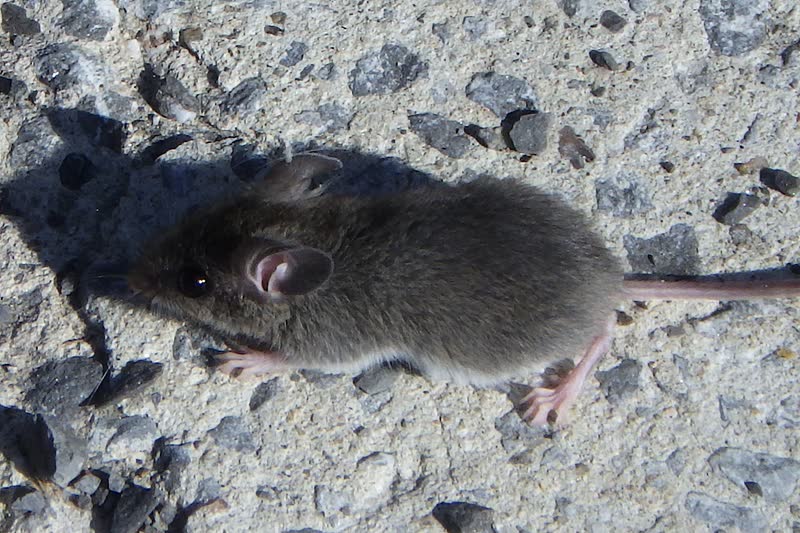
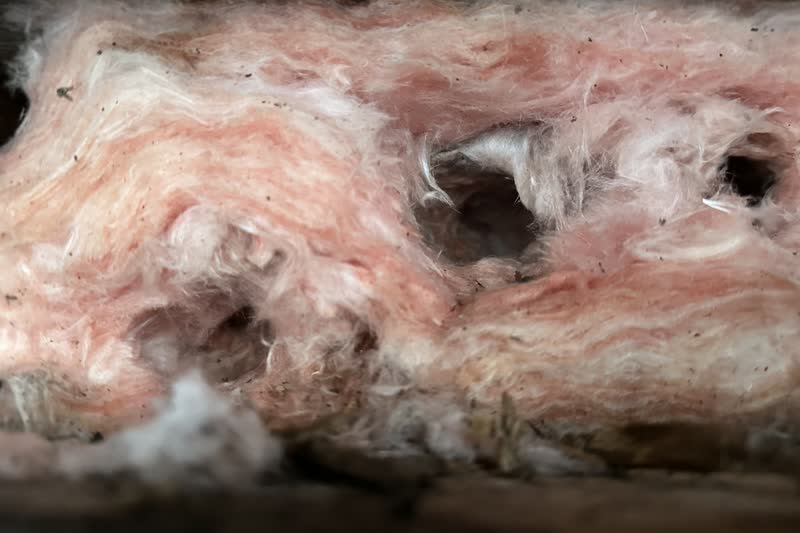
    Mice and squirrels leave trails through loose-fill, flattened nests near the eaves and droppings across the floor. A sharp, stale smell at the hatch on a warm day often means urine has soaked in.

  • Stains, Clumps or Damp Patches Under a Leak

    A roof leak, or a bath fan blowing into the attic, leaves insulation matted, discolored or packed into heavy clumps. Look under the chimney, the vent pipes and any valley in the roof. That's where leaks usually start.

  • Soot or a Smoky Smell After a Fire

    After a house fire, insulation can hold soot and odor long after the rooms below are clean. A smell that keeps coming back may be coming from overhead.

  • Old Insulation Crushed Flat Over a Leaky Ceiling

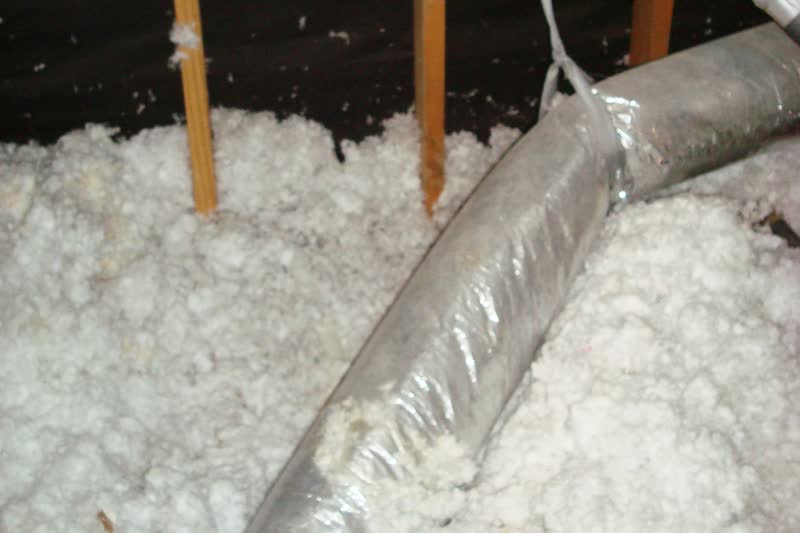
    Batts squashed under years of boxes, or loose-fill gone gray and dense, may be dry. But it's often sitting right on the gaps that most need sealing.

Seeing something that is not on this list?

Tell us what is going on


Attic insulation removal is for insulation that can't be saved. Old material that's only thin usually stays and gets topped up; that's the work on our attic insulation page. Removal is for the other case: insulation that water, animals, smoke or years of crushing have spoiled, where a new layer would just sit on the damage and hide it. If you're still deciding whether yours has to go, or thinking about doing it yourself, our guide to attic insulation removal walks through both.

The old insulation is vacuumed out and the attic floor is left clear for what comes next. In most homes that's new blown-in insulation, put in once the bare floor has had its leaks closed and the eaves have baffles to keep the soffit vents open.

First we find out why it went bad. A leaking roof, a fan duct that stops short of the outdoors or an animal's way in will ruin new insulation just as fast, so the estimate names the cause and who fixes it: a roofer, a wildlife control company or us. Closing the gaps in the attic floor is air sealing, and we do that on the same job.

Questions About Attic Insulation Removal? Talk to Us

Call (336) 870-3893

Monday to Friday 8:00 am to 5:00 pm. Saturday by appointment. Sunday closed.

5.0 from 16 Google reviews (opens in a new tab)

Request a free estimate

What Ruins Attic Insulation?

Insulation that has to come out was usually ruined by something that's still going on. So the cause comes first.

How does a roof leak damage attic insulation?

A slow leak at flashing, a vent pipe boot or a chimney can drip onto one spot through many storms before a ceiling stain appears. ENERGY STAR treats damp insulation as evidence that the roof leaks, and it advises having that put right before any insulation work.

Can a bath fan ruin attic insulation?

Yes, when its duct ends in the attic or has slipped off its roof or wall cap. Each shower then sends warm, wet air into the space, and on a cold night that moisture can condense on the roof deck and drip back down. The duct has to run all the way outside first.

Why do mice and squirrels ruin insulation?

Animals nest in insulation because it's soft and warm, and they foul it as they go. Droppings and urine soak into the fibers, and ENERGY STAR lists animal waste among the reasons not to simply cover old insulation. Trapping the animals and closing their way in is wildlife control work, and we'll tell you straight when it has to come first.

Can moldy attic insulation be cleaned?

Usually it isn't worth trying. The EPA's mold guidance says absorbent materials such as ceiling tiles and carpet may need to be thrown out once mold grows on them, and insulation is absorbent through and through. The EPA also warns that unless the water problem is fixed, mold that's been cleaned up is likely to come back.

Not sure what got to yours? Tell us what you've seen, send photos from the hatch if you have them, and we'll price it. The estimate is free.

Get a Free Estimate

What You Can Count On

  • Free Estimates, No Upselling
  • Family Owned & Operated
  • 5.0 Stars from 16 Google Reviews
  • Attic Insulation Specialists
  • Serving All of North Carolina
  • Call (336) 870-3893 or text this number

What Our Customers Say

5.0 out of 5

Based on 16 Google reviews

Read what customers say on Google

Our Google reviews are public, so you can read every one in full and see who wrote it.

Worked with us? A few honest words help your neighbors decide.

Attic Insulation Removal and Replacement Options

Every attic gets the smallest job that fixes it. Here's how the work usually comes together.

  • Full Removal and New Blown-In Insulation

    When the damage is everywhere, such as droppings over the whole floor or smoke in every corner, all of the old insulation is vacuumed out. Where mice have been, the attic is sanitized and deodorized. New loose-fill fiberglass then goes onto the sealed floor to the R-value in the estimate.

    • Old insulation vacuumed out of the whole attic
    • Sanitized and deodorized where mice have been
    • Bare floor sealed before new material goes in
    • New insulation blown in to the agreed R-value
  • Removing Only the Damaged Area

    A leak that soaked one corner, or a nest in a single bay by the eaves, doesn't always mean emptying the attic. The ruined section is vacuumed out, its cause is fixed, and the sound insulation stays under a top-up to the target depth.

    • Damaged section out, sound insulation kept
    • Leak or entry point fixed first
    • Even depth restored across the floor
  • Air Sealing While the Floor Is Bare

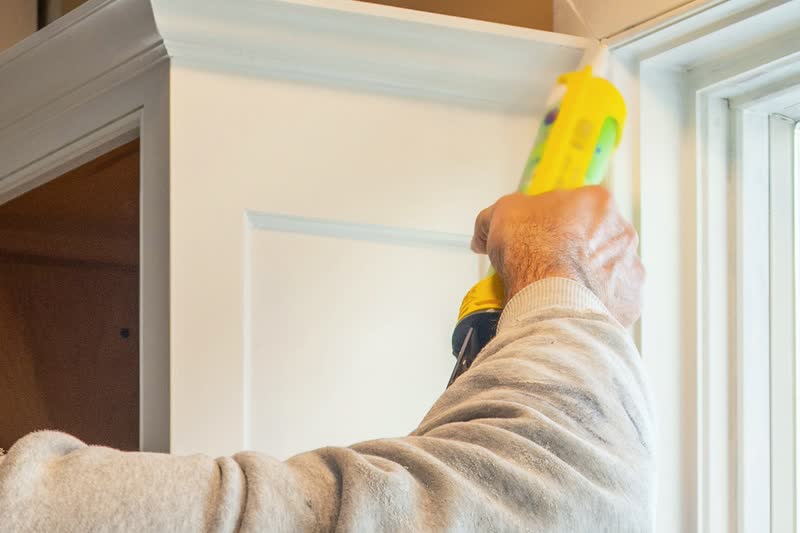
    An empty attic floor is the easiest time you'll ever get to close the gaps around wires, pipes, fixtures and the tops of interior walls. Those gaps carry house air, and its moisture, up into the attic.

    • Gaps at wires, pipes and wall tops sealed
    • Flue gaps closed with metal flashing and high-temperature sealant
    • Attic hatch weatherstripped and insulated
  • Baffles, Dams and Clearances Before the Refill

    Baffles at the eaves keep outside air coming in through the soffit vents, and dams hold loose-fill back from the hatch and from flues. Recessed lights without an insulation-contact rating get the 3 inches of clearance ENERGY STAR calls for.

    • Baffles keep soffit vents open
    • Dams at the hatch and around flues
    • Clearance at recessed lights that need it

Which of these does your home need?

Get a free estimate for attic insulation removal

The Attic Insulation Removal Process, Step by Step

Here is how an attic insulation removal job goes with us, start to finish.

  1. Get a Free Removal Estimate

    Call or fill in the contact form. Give us the attic's square footage and tell us what you've spotted, like droppings, a ceiling stain or a smell at the hatch. Photos help. Most attics we can price without a visit.

  2. Price It, Then Check It With You

    If we can't tell what has to come out without seeing it, we make a special visit. The estimate lists the material coming out, the insulation going back and the R-value the finished attic will have. On install day the crew goes over the attic with you before any work starts.

  3. Vacuum Out, Seal and Reinsulate

    The old insulation is vacuumed out, the bare floor is sealed and prepped, and new insulation is blown in to the agreed depth. Ask us to show you the finished attic when it's done.

Is Attic Insulation Removal Worth It?

When the old insulation is damaged, yes. New insulation laid over a soaked or fouled layer sits right on top of the problem. On a clean, sealed floor it gets its full depth with nothing damp or matted under it. And the smell of animals or smoke leaves with the old material.

When the old insulation is sound, no. Pulling out dry, clean material just to replace it adds work without adding much, and we'll tell you so. We don't sell removals that aren't needed.

The Short Version

  • No damaged material left under the new layer
  • Every leak in the attic floor within reach
  • An R-value you can check on the receipt

Attic Insulation Removal and Replacement: What the Job Includes

In most homes it's one job in two halves. The damaged layer is vacuumed out, and fresh insulation is blown onto the clean floor once its leaks are sealed.

Ask for the removal and the new layer as separate lines on the estimate, so you can see what each half involves. Afterward, the Federal Trade Commission's R-value Rule entitles you to a contract or receipt from the installer. For loose-fill that paper gives the square footage covered, the depth at installation and the depth it should settle to, the R-value and the bag count.

Why Not Just Blow More Insulation on Top?

Because some insulation spoils whatever is laid over it. ENERGY STAR tells homeowners that old insulation rarely has to come out and that new material can normally be laid right over it, with four exceptions: an old layer that is wet, one that is moldy, one that smells and one that contains animal waste. Cover any of those and the moisture, mold or odor stays in the attic, only harder to reach.

There's a practical reason too. A ceiling that was never air sealed is easiest to seal with nothing on it, and a layer too flat or dirty to move aside and put back hides every gap. If yours is dry and clean, only thin, we'll tell you, and a top-up is the smaller job.

Rodent-Soiled Attic Insulation Removal

Insulation that mice, rats or squirrels have lived in comes out. Droppings, urine and nesting work down into it, and no top-up covers the smell. The animals have to be gone and their openings closed first, or the new insulation becomes the next nest. Trapping and exclusion are a wildlife control company's work, not ours. Our part starts after that: we vacuum out the soiled insulation, then sanitize and deodorize the attic before any new insulation is blown in.

The damage is often wider than it looks from the hatch, since tunnels run under the surface. Photos help. If we can't tell from those and the square footage whether one section or the whole attic has to go, we make a special visit. Either way, the crew checks the whole floor with you on install day before anything comes out.

Wet or Smoke-Damaged Attic Insulation

Wet insulation comes out once the leak is repaired. A small damp patch found early can sometimes dry where it lies, but the EPA advises getting water-damaged materials dry within a day or two to keep mold from growing, and attic leaks are rarely caught that quickly. Insulation that stayed soaked, or has turned matted, stained or musty, is past saving.

Smoke works the same way. Soot and odor held in the insulation can keep a smell coming back after the rest of the house is clean, so smoke-damaged insulation is vacuumed out and replaced, not buried.

Vermiculite in the Attic: Call an Asbestos Contractor First

By the EPA's description, vermiculite is a pour-in fill of pebble-like pieces, most often gray-brown or silver-gold, and in some older homes it fills the spaces between the joists. The EPA says to assume it holds asbestos, to keep from stirring it up and not to attempt taking it out on your own. Any work that would disturb it belongs to a professional asbestos contractor.

So we don't vacuum out vermiculite, and we don't work around it. If we find it, before the job or on install day, we stop, show you what we saw and leave the next step to an asbestos professional. Once that contractor has cleared the attic, we can blow in the new insulation, and that estimate is free.

What Happens After the Old Insulation Is Vacuumed Out?

The bare floor gets sealed. ENERGY STAR expects a contractor to close the leaks in the attic floor before any insulation goes in, and with nothing in the way, every gap is in plain sight. Then come the baffles, the hatch dam and clearance at recessed lights.

Next, new insulation is blown in to the depth the estimate states. For a floor with nothing left on it, ENERGY STAR's retrofit table points to R-60 where a county is in climate zone 4 or 5 and R-49 where it is in zone 3. Which zone applies depends on the county and the climate map, and our attic insulation R-value guide for North Carolina sorts out the counties.

How Long Does Attic Insulation Removal Take?

Every attic is different, so there's no set number of hours. The size of the floor and the depth of the old material decide how much comes out. The hatch, the roof pitch and whatever is mixed into the insulation decide how fast. What most often sets the date is the cause: a leak waiting on a roofer, or animals still in the attic, can hold up the start longer than the removal itself takes.

How Is Attic Insulation Removal Priced?

No two removals price the same, so we don't print a figure. The price follows the amount of material: the floor area times the depth. The kind matters, because rolled batts and blown loose-fill come out in different ways. So does what's in it, since a fouled or moldy layer is handled with more care. A cramped hatch or a shallow roof slows every step.

Then comes the second half: the sealing, the baffles and the new insulation. Most attics we price from the square footage and what you tell us is up there; photos help. When an attic needs a closer look, we make a special visit. We price what the attic needs and nothing more. For the replacement half, our guide to attic insulation cost explains what moves the price of a new layer and how to weigh one written estimate against another.

Attic Insulation Removal FAQs

Does Insulation Pros remove old attic insulation?

Yes. We vacuum out old attic insulation that water, animals, mold or smoke has ruined, and in most homes we blow in new fiberglass once the bare floor is sealed. When mice have been in it, we sanitize and deodorize the attic after the vacuuming and before anything new goes in. If removal alone is what you need, we do that too; just say so when you call. The estimate is free.

Can you remove blown-in insulation?

Yes. Old loose-fill, whether fiberglass or cellulose, is the kind of insulation a vacuum takes out of an attic. Old fiberglass batts come out too; mention them when you book so the price covers them. Pebble-like fill is the exception: it may be vermiculite, a job for an asbestos contractor.

Can new insulation go over insulation with mouse droppings?

It shouldn't. ENERGY STAR's advice that new insulation can go over old doesn't cover insulation holding animal waste, and covering it keeps the droppings and the smell overhead. We vacuum it out instead, then sanitize and deodorize the attic before the new layer goes in.

Do you fix the roof leak or remove the animals too?

No. A roof leak is a roofer's repair, and trapping and exclusion are a wildlife control company's work. We point out what we find and say what has to be fixed first. The removal, the air sealing, the baffles and the new insulation are ours.

Should the attic be air sealed after the old insulation comes out?

Yes, and there's no better time. With the floor bare, every gap around wires, pipes, fixtures and wall tops is in plain view, and ENERGY STAR wants those leaks sealed before insulation is added.

Why air sealing comes before insulation

Will removing old insulation lower my energy bills?

The removal by itself doesn't. The new insulation and the air sealing that follow are what slow heat through the ceiling. How much you notice depends on how damaged the old layer was and how leaky the ceiling is, and nobody can honestly promise you a number.

Helpful Resources

What to Expect From an Insulation Removal Company

Removal happens out of sight, so ask your questions before it starts. Whoever you hire, these are fair things to expect. We aim to meet every one.

  1. A Price You Can Follow

    Removal is priced from the amount of material, the floor area times the depth, plus what has to go back in. Give us the square footage and what you've seen, and we'll price it. When nobody could say what has to come out without seeing it, we make a special visit before we give you a number. The estimate should list what comes out and what goes back, line by line.

  2. The Cause Named, Not Just the Damage

    A company that swaps old insulation for new without asking why the old failed is setting you up for a repeat. The estimate should name the leak, the vent or the animal entry, and say who will fix it.

  3. A Company That Is Easy to Reach

    Our service area is the whole state, from Murphy to Manteo. Call or text us, or use the contact form, and Saturday work is by appointment. Google shows a 5.0 rating across our 16 reviews.

Attic Insulation Removal Do's and Don'ts

What to Do

  • Take photos from the hatch. Pictures of stains, droppings or damage record where things started.
  • Get the cause fixed or booked first. A roof repair or animal exclusion that's still pending will undo new insulation.
  • Clear the way to the hatch. Move stored items, rugs and anything fragile out of the path through the house.
  • Ask what goes back in. The estimate should name the new insulation and the R-value it brings the attic to.

What to Avoid

  • Don't disturb pebble-like fill. Gray-brown or silver-gold granules may be vermiculite, so leave them alone and call an asbestos professional.
  • Don't cover soiled insulation with new. A fresh layer over droppings, mold or soot keeps the problem in the house.
  • Don't leave the attic bare. An emptied attic floor lets heat through freely, so plan the new layer along with the removal.
  • Don't step between the joists. The ceiling drywall below won't carry your weight, even for a quick look.

Attic Insulation Removal Across North Carolina

We're a family owned and operated insulation company, and we do attic insulation removal for homeowners all over the state. Pick your town to see what we do nearby, or browse all of our service areas.

Call (336) 870-3893 for a free estimate.

Cities We Serve


AshevilleCharlotteWinston-SalemGreensboroDurhamRaleighFayettevilleWilmingtonGreenville

Areas We Serve

We serve homes across North Carolina. These are the largest towns we work in.

Alamance County

Buncombe County

Cabarrus County

Cumberland County

Durham County

Forsyth County

Gaston County

Guilford County

Mecklenburg County

New Hanover County

Onslow County

Orange County

Pitt County

(336) 870-3893 Text us Mon–Fri 8am – 5pmSat By appointmentSun Closed 257-4 Grove Ct, Thomasville, NC 27360
View All Service Areas