Does Homeowners Insurance Cover Attic Insulation in NC? Roof Leaks, Storms, Fire and Rodents
Does homeowners insurance cover attic insulation? In North Carolina the answer turns on what ruined it. The NC Department of Insurance (NCDOI) says a homeowners policy provides coverage for direct physical damage, so insulation soaked when a storm opened the roof, or burned or smoke-damaged in a fire, can be part of the claim for that event. Insulation that is simply old or thin is not damage from an event, and the policy forms the department describes typically exclude wear and tear, constant or repeated leakage, mold, and damage by birds, rodents, insects or domestic animals.
This guide goes cause by cause, using NCDOI's consumer pages and the NC Rate Bureau's notice about the homeowners policy forms that change on June 1, 2027. It is not insurance advice: your own policy, its endorsements and your declarations page decide what is covered, and your agent or insurance company is the one to ask. Insulation Pros removes and replaces attic insulation. We can't tell you what your policy covers, and we don't handle claims.

What a Homeowners Policy Covers in the Attic
Homeowners insurance is built around perils, which NCDOI describes as events that cause damage to property; fire and theft are its two examples. Coverage A, the dwelling coverage, protects the house and attached structures when a covered loss damages them. Attic insulation is part of the house, so when a covered event ruins it, it belongs in the claim for that event, along with the ceiling, the roof deck and whatever else the event damaged.

What a policy does not do is pay to upgrade an attic that was short of insulation to begin with. Thin, old or settled insulation is not damage from an event, and adding more is ordinary home improvement. Our guide to attic insulation cost explains what that work involves and what moves its price.
Policy forms come in two broad kinds. A named-perils form lists the events it covers. An open-perils form, which NCDOI describes for the special-form dwelling policy, covers all types of damage to the building except the exclusions it names. Your declarations page names your form, and the policy itself lists its perils or its exclusions.
Cause by Cause: Storms, Leaks, Fire, Animals and Flood
Here is how the usual causes of ruined attic insulation line up with the policy terms NCDOI describes. Treat it as a list of questions to ask, not a coverage decision; the wording of your own policy and its endorsements decides:
| What ruined the insulation | What the policy terms say | Part of a claim? |
|---|---|---|
| A storm opened the roof and rain soaked the insulation | Windstorm or hail is a named peril on the broad dwelling form. Some policies carry a separate windstorm, hail or named-storm deductible, and NCDOI warns that some exclude windstorm or hail | Often, as part of the storm claim |
| Fire, lightning or smoke | Fire and lightning are covered perils on even the basic dwelling form; smoke is a named peril on the broad form | Often, as part of the fire claim |
| A sudden overflow, such as an AC drain pan or a water line in the attic | Accidental discharge or overflow of water or steam is a named peril on the broad dwelling form | Possibly; the cause and how long it went on matter |
| A slow roof leak or a worn-out roof | Typical exclusions: constant or repeated leakage or seepage of water, and wear and tear or deterioration | Usually not |
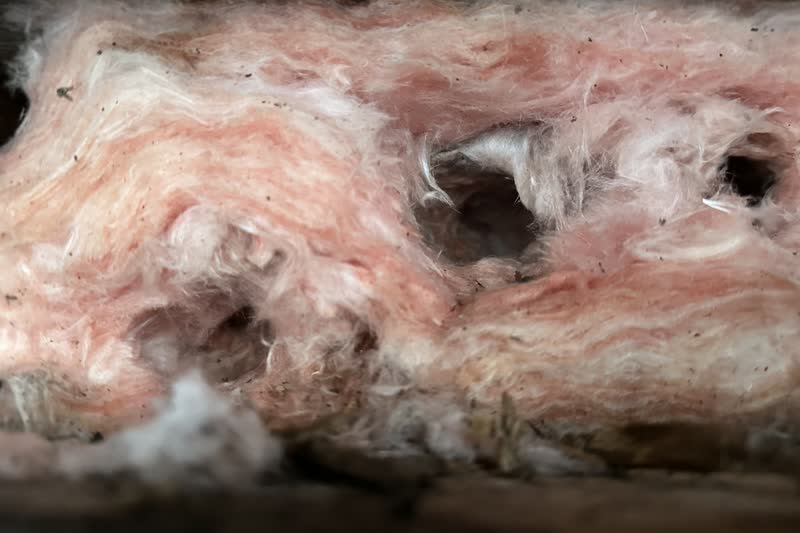
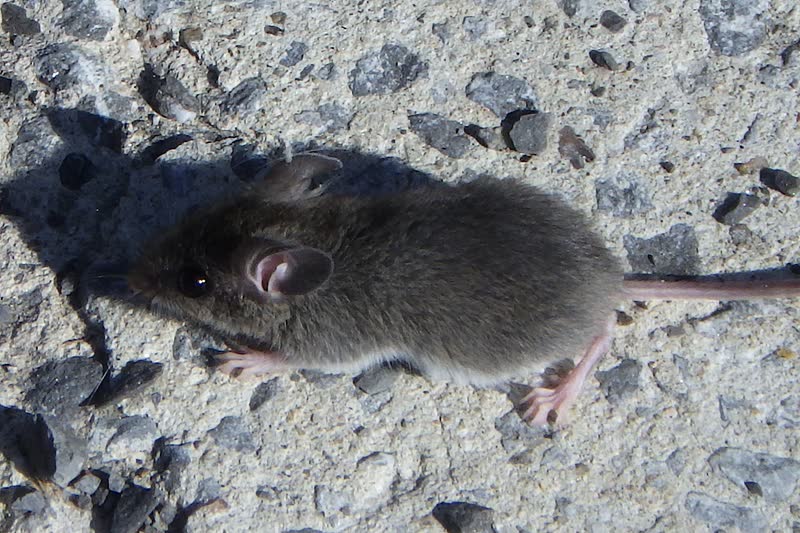
| Mice, rats, squirrels or birds | Typical exclusion: birds, rodents, insects or domestic animals | Usually not |
| Mold in the insulation or on the roof deck | Typical exclusion: mold, rust, rot | Usually not |
| Flood or rising water | NCDOI: homeowners policies do not cover flood or rising water damage; flood insurance is a separate policy | No |
| Insulation that is just old, thin or settled | Not damage from an event | No |

Where those exclusions come from
NCDOI lists neglect; mold, rust and rot; constant or repeated leakage or seepage of water or steam; wear and tear and deterioration; and birds, rodents, insects or domestic animals among the typical exclusions of the special-form dwelling policy, and it says that list is not complete. Homeowners policies commonly carry exclusions of the same kind, but the exact words, and any endorsement that changes them, are in your own policy. Read its exclusions section before you assume either way.
Is it a roof leak or attic condensation?
Water on the insulation is not always a roof leak. Warm, damp house air leaking into a cold attic can condense on the underside of the roof deck and drip back down, and that is a moisture problem from inside the house, not storm damage. Our guide to attic condensation explains how to tell the two apart. Either way, a roofer or the right trade fixes the cause before new insulation goes in.
Rather Talk It Through Than Read?
Call (336) 780-7227Monday to Sunday 8:00 am to 5:00 pm.
Found Wet or Ruined Insulation? What to Do First
Safety comes first. If a ceiling under wet insulation is sagging or stained, keep people out of the room below, and in the attic stay on the joists.

Then follow the department's advice for after a loss. Some of these steps are requirements of every homeowners policy in North Carolina, as noted:
- Tell your agent or insurer right away. NCDOI says to contact your insurance agent or company immediately when you have a loss, and every homeowners policy in the state requires prompt notice.
- Stop the damage from spreading. Your policy requires you to make reasonable emergency repairs needed to prevent further damage, such as a tarp on the roof. Keep a record of what you spend.
- Photograph it, before and after. NCDOI says to keep all receipts and to photograph the damage before and after emergency repairs, to submit with your claim.
- Hold off on big repairs. NCDOI says not to make extensive repairs before the claims adjuster arrives, and not to throw out damaged property. Ask your insurer whether soaked insulation should come out now to protect the ceiling or wait for the adjuster.
- List what was damaged. Give your agent a list of the damaged property, with the bills, receipts and other records that document it. NCDOI lists this among the policy requirements too.
Photos that help a claim
Start with wide shots from the hatch, then move closer: the stained or matted insulation, the underside of the roof deck above it, the ceiling below, and a tape measure standing in the insulation in a few places to show how deep it was. Note the date. The depth matters later, because a claim puts back what you had.
How a Claim Values the Insulation
An insurance adjuster reviews the damage and prepares an estimate of loss to repair or replace your home. NCDOI says the insurer's offer is based on that estimate, which should include any repairs necessary to restore your home to its condition prior to the damage. For an attic, that is the insulation you had before the loss, at the depth you had it.

Your deductible is the part of a covered claim you pay. NCDOI says it can be a fixed amount or a percentage of your dwelling coverage, that some policies have separate windstorm, hail or named-storm deductibles, and that all of them are listed on the declarations page. If the attic is the only damage, the deductible may be close to what the work costs, which is worth knowing when you talk to your agent.
Replacement cost or actual cash value?
NCDOI says that with actual cash value coverage you receive the depreciated amount, while replacement cost value pays for the repair at today's cost of a similar or like item. With replacement cost coverage, the department says you need to give the insurer proof of replacement within 180 days after the date of loss, and the insurer pays on an actual cash value basis until you do. That makes the installer's receipt part of the claim.
If you and the insurer disagree
NCDOI says the insurer should acknowledge receipt of your claim within 30 days, and that there is no set time limit for settling because each claim is different. If you can't agree on the amount, either side may demand an appraisal: each chooses a competent and disinterested appraiser within 20 days of a written request from the other, the two appraisers choose an umpire, and a figure agreed to by any two of them sets the amount of loss. Each side pays its own appraiser and shares the umpire's cost.
NCDOI's Consumer Services Division answers consumers' questions about homeowners insurance. Its contact details are on the department's homeowners insurance pages, linked under Sources.
What Changes on June 1, 2027
The North Carolina Rate Bureau has announced a new homeowners policy program that replaces the current one starting June 1, 2027, for use by all its member companies. Its circular of December 18, 2025 summarizes the changes, and three points bear on an attic claim:
- Replacement cost without repairing first. Under the current forms, a building loss is settled at replacement cost without first requiring the repair only when it passes two tests. It must be under 5 percent of the insurance on the building, and under a set dollar amount. The 2027 forms keep the first test and double the dollar amount, so more small losses qualify.
- Two new optional roof endorsements. A roof payment schedule for windstorm or hail losses to roof surfacing can settle damage to the roof surfacing at a share of full replacement cost set by the roof's age and material. A cosmetic damage exclusion for windstorm or hail removes coverage for marring, pitting or other superficial damage that leaves the surface still keeping the weather out.
- What counts as roof surfacing. The roof payment schedule defines it as the shingles or tiles, cladding, metal or synthetic sheeting and roof flashing, with the materials that secure the roof surface and those applied to or under it for moisture protection. Insulation is not on the list; if your renewal adds either endorsement, ask your agent how a storm-soaked attic would be handled.

When will you hear about it?
Under N.C.G.S. 58-36-45, an insurer that changes your coverage, other than at your request, must give you written notice at least 15 days before the change takes effect. The Rate Bureau's sample notices say that no coverage is provided by the summary and that the policy itself prevails, so read the renewal policy, not only the notice that comes with it.
What to Get From the Insulation Contractor
Whoever does the work, three things make the claim easier to document:
- An itemized written estimate. Removal and haul-away, cleanup of the bare attic floor, air sealing and the new insulation, each on its own line, so the adjuster can see what restores the attic and what, if anything, goes beyond it.
- Photos of the attic as found. Take your own as well, from the hatch, before anyone starts.
- The receipt the FTC requires. For loose-fill insulation, the FTC's home insulation rule (16 CFR 460.17) requires the installer's receipt to show the coverage area, the initial installed thickness, the minimum settled thickness, the R-value and the number of bags used. It doubles as your proof of replacement.

What we do, and what we don't
Insulation Pros vacuums out wet, smoke-damaged or soiled attic insulation, seals the bare ceiling and blows in new fiberglass, and the estimate is free and in writing. Our insulation removal page explains the work, and the guide to what happens on attic insulation install day shows the receipt you get at the end.
We don't repair roofs, we can't tell you what your policy covers, and we don't handle claims or speak for your insurer. Fix the cause first: a roofer for the roof, an HVAC contractor for a drain line, a wildlife control company for animals.
Rodent Damage: Usually Your Own Cost
Because birds, rodents, insects or domestic animals is a typical exclusion, plan on the cleanup and new insulation after mice or rats coming out of your own pocket unless your insurer tells you otherwise. Ask anyway; policies differ, and your agent can read yours.

The order of work is the same either way. A pest or wildlife control company removes the animals and closes the way in, then the soiled insulation comes out, the attic is sanitized and deodorized, the ceiling is sealed and new insulation goes in. Our guide to mice in the attic goes through each step and what the CDC says about cleanup safety.
Get a Free Estimate
Insulation ruined by a leak, a fire or animals? Once the cause is fixed, tell us what happened and roughly how big the attic is, and we'll give you a free written estimate for taking the old insulation out and putting the attic right.

Prefer to talk? Call (336) 780-7227.