Home Energy Audits in North Carolina

Bills climbing and you can't tell why? A home energy audit, also called a home energy assessment, finds where your house wastes heating and cooling and ranks what to fix first. At Insulation Pros it's a paid service, separate from our free estimates. Call and ask what the audit for your house includes, right down to whether a blower door test is part of it.

Signs Your Home Could Use an Energy Audit

An audit is for the house whose problem isn't obvious. If you already know the attic is bare, you need an estimate, not an audit. These are the signs a wider look is worth paying for.

  • Energy Bills You Cannot Explain

    Bills that climb while your rates and habits stay the same mean something in the house is wasting energy. The U.S. Department of Energy says a proper home energy assessment tells you how much energy the house uses and which fixes are the most cost-effective. Bring a year of bills, and the pattern often shows itself.

  • Rooms That Never Match the Thermostat

    One room that is always hot, one that is always cold, or an upstairs that fights the downstairs usually has more than one cause. Insulation, air leaks, ductwork and sunshine all play a part. Sorting out how much each one contributes is what an audit is for, and it keeps you from paying to fix the wrong thing.

  • Drafts, Dust and Sticky Summer Air

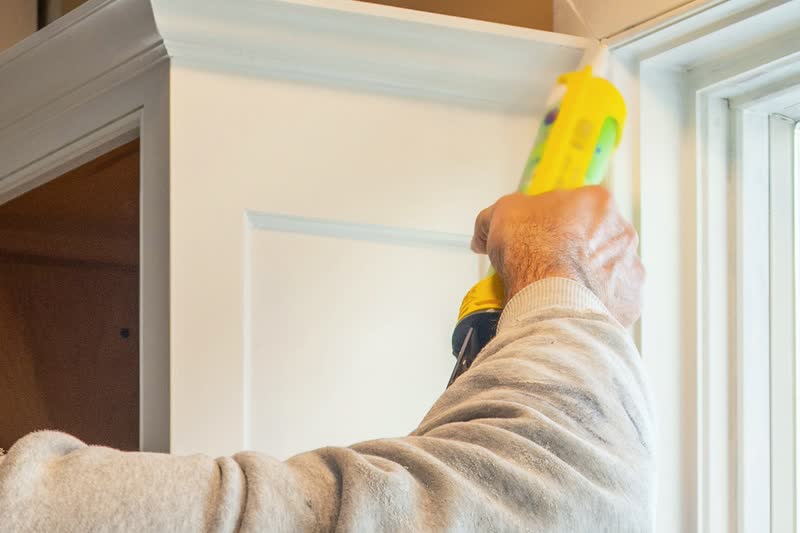
    Drafts you can feel, dust that comes back days after cleaning and rooms that feel clammy in July all point to air moving where it should not. The Department of Energy's Energy Saver guide calls air leaks among the greatest sources of energy loss in a home. Most of them hide where you would never look: across the attic floor, around the attic hatch and along the ducts.

  • A Big Upgrade on the Horizon

    Before you replace a furnace or a heat pump, an audit tells you what to do first. The Energy Saver guide says new equipment alone can cut energy use by 20 percent or more, and that pairing it with the recommended insulation, air sealing and thermostat settings can cut heating and cooling bills by about 30 percent. ENERGY STAR's advice is to sort out the attic first, so you do not pay for more heating and cooling than you need.

Savings vary. Find out why in the seller's fact sheet on R-values. Higher R-values mean greater insulating power.

Seeing something that is not on this list?

Tell us what is going on


A home energy audit goes by several names: home energy assessment, residential energy audit, home energy inspection. They mean the same thing. The U.S. Department of Energy's guide to home energy assessments says a proper one tells you how much energy your house uses, which measures are the most cost-effective and how to save on your bills. An estimate answers one question, such as how much insulation the attic needs. An audit asks the wider one: of everything this house could fix, what matters most?

At Insulation Pros the audit is a paid service, separate from the free estimates we give for insulation and air sealing. You won't find a price or a list of test equipment on this page. What your audit covers is settled when you book, so ask then: whether it includes a blower door test, whether the ducts are tested, what credentials the auditor holds and what you get at the end. The sections below explain each of those in the Department of Energy's terms, so you know what to ask.

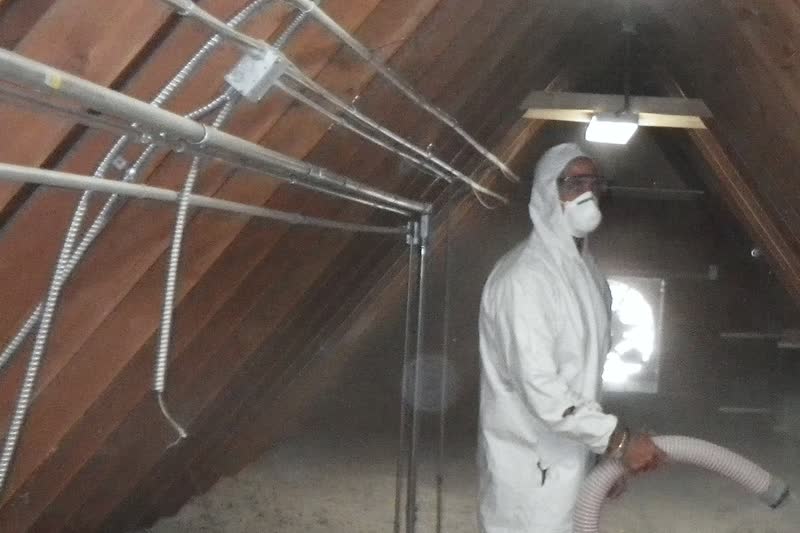
A lot of what an audit turns up is work we do: attic insulation that's thin or patchy, old attic insulation that should be vacuumed out and replaced, air sealing at the attic floor, leaky ducts, empty outside walls, a thin garage ceiling under a bonus room and a bare floor over a crawl space. Estimates for that work are free, and most attics we price from the square footage. Other findings belong to other trades, such as heating and cooling equipment, windows or wiring, and we'll tell you so. Either way the findings are yours to use with any contractor you choose.

Questions About a Home Energy Audit? Talk to Us

Call (336) 870-3893

Monday to Friday 8:00 am to 5:00 pm. Saturday by appointment. Sunday closed.

5.0 from 16 Google reviews (opens in a new tab)

Ask About a Home Energy Audit

What Does a Home Energy Audit Look For?

An audit follows the energy: where the house loses it, where the equipment wastes it and how the two affect each other. These are the questions it sets out to answer.

Where does a house lose the most energy?

Usually through the shell and the ducts, not the appliances. The U.S. Department of Energy's Energy Saver guide says air conditioning and space heating together are the largest energy users in a home, typically about 32 percent of its energy use, and that air leaks are among the greatest sources of energy loss. So an audit spends most of its time on the attic, the walls, the floors and the ductwork, because that is where heating and cooling slip away.

How does an auditor find air leaks?

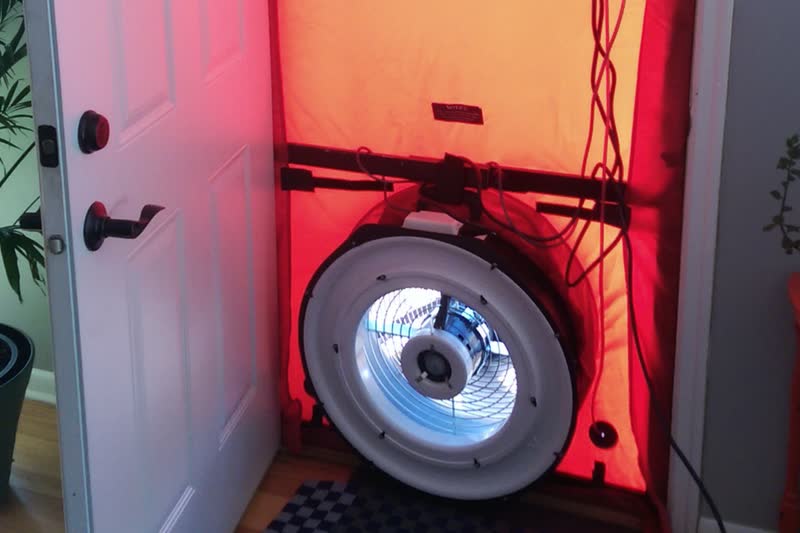
By looking first, then by testing if the audit includes it. The visual check covers the places leaks gather: the attic floor around pipes, wires, recessed lights and the hatch, the tops of walls, and around windows and doors. The U.S. Department of Energy describes two tools for going further. A blower door lowers the pressure in the house so outside air comes in through every gap, and a smoke pencil or an infrared camera shows where. Ask when you book which of these your audit uses.

What does an infrared camera show?

Temperature differences on surfaces. The U.S. Department of Energy's guide to home energy assessments says a thermographic scan picks up warmer and cooler areas along walls, roofs and around windows and doors, and that auditors use the images to locate air leaks. Run together with a blower door, it says, the leaks show up as dark streaks. The Department's Building America program adds that the camera can also find where insulation is missing. Not every audit includes a scan.

Why do the ducts get checked?

Because a lot of what you pay for can leak out of them. In a typical house, ENERGY STAR says, 20 to 30 percent of the air the system pushes through its ducts is lost on the way, to leaks, holes and poor connections. An audit looks at the joints, the insulation and the connections it can reach. A duct leakage test is separate. In the U.S. Department of Energy's description, a variable speed fan is attached to the duct system to measure how much air the ducts lose. Ask whether your audit includes one.

Why does an energy audit look at moisture and safety?

Because tightening a house changes how it behaves. The U.S. Department of Energy's description of an in-depth assessment includes safety tests and a check for signs of mold and moisture, alongside the look at insulation and equipment. Its guide says an auditor may also test for gas leaks and check that the home is properly ventilated. Fuel-burning equipment that vents up a chimney depends on the air in the house, so it gets attention before anything is sealed. A bathroom fan that blows into the attic, or a stain on the roof deck, belongs in the findings too.

Why do you ask for my utility bills?

They are the one measurement of the whole house you already own. The U.S. Department of Energy's guide tells homeowners to have copies or summaries of recent energy bills ready for the auditor, and its Energy Saver guide says the energy professional compares the analysis of the house with the utility bills. A full year separates the heating months from the cooling months and shows what the house uses when neither is running. That points the audit at the right suspects.

What will a home energy audit not tell me?

It won't tell you a saving anyone can promise, and it doesn't fix anything by itself. An audit is a diagnosis and a ranked list. The savings come from the work that follows, and they vary with the house, the weather and how you live in it. It's also not a home inspection for a sale, a pest inspection or a structural report, and it doesn't replace a service call from a heating and cooling technician.

Not sure whether your house needs an audit or just an estimate? Describe the problem when you call, and we'll tell you which one fits. We won't sell you the audit if you don't need it.

Ask About a Home Energy Audit

What You Can Count On

  • Free Estimates, No Upselling
  • Family Owned & Operated
  • 5.0 Stars from 16 Google Reviews
  • Attic Insulation Specialists
  • Serving All of North Carolina
  • Call (336) 870-3893 or text this number

What Our Customers Say

5.0 out of 5

Based on 16 Google reviews

Read what customers say on Google

Our Google reviews are public, so you can read every one in full and see who wrote it.

Worked with us? A few honest words help your neighbors decide.

What a Professional Home Energy Audit or Assessment Covers

The U.S. Department of Energy describes a professional home energy audit in stages. This is what each stage involves. When you book, ask which of them your audit includes.

  • The Interview and Your Energy Bills

    An audit starts with questions. The Department of Energy says a home energy professional interviews you about your concerns, such as comfort and high energy bills, and compares what the house shows with your utility bills. How the house is used, overall and room by room, shapes the findings.

    • Your comfort complaints, room by room
    • Recent electric and gas bills reviewed
    • How the home is used day to day
    • The questions you want the audit to answer
  • The Visual Inspection

    Next comes a look at the whole house. The Department's Energy Saver guide describes a visual inspection of the equipment and the insulation, with a check for signs of mold and moisture. In practice that means the attic, the walls and floors, the ductwork, the heating and cooling equipment and the places where air leaks gather.

    • Attic insulation depth and condition
    • Walls, floors, windows and doors
    • Ducts, joints and duct insulation
    • Signs of moisture and air leaks
  • Blower Door, Duct and Infrared Tests

    A more detailed assessment adds diagnostic tests. The Department of Energy lists a house air leakage test, a duct air leakage test and an infrared scan. It also says quick audits skip the specialized equipment and thorough ones use it. This page does not promise a particular test, so ask when you book whether your audit includes a blower door test.

    • Blower door: measures whole-house air leakage
    • Duct test: measures leakage in the ductwork
    • Infrared scan: shows leaks and missing insulation
    • Ask which tests your audit includes
  • The Findings and the Plan

    An audit is worth what it leaves you with. The Department of Energy says the auditor should give you a report of the findings with recommendations for improvements, so you can decide from facts. A useful report ranks the fixes, says which come first and separates the small ones from the large ones.

    • What was found, in plain language
    • Fixes ranked by what they are worth
    • The order: seal, insulate, then equipment
    • Yours to use with any contractor

Which of these does your home need?

Ask About a Home Energy Audit

The Home Energy Audit Process, Step by Step

Here is how a home energy audit goes with us, start to finish.

  1. Book and Ask What's Included

    Call or use the contact form, and tell us what you've been noticing. Ask what the audit covers for your house, whether a blower door test is part of it and what it costs. Audits are on weekdays, or on Saturday by appointment.

  2. The Audit Visit

    Have a year of utility bills and a list of problem rooms ready. We go through the house top to bottom and run the tests your audit includes.

  3. Findings and Next Steps

    You hear what we found and which fixes matter most. If any of it is work we do, a free estimate is yours for the asking. If it belongs to another trade, we tell you which one.

Is a Home Energy Audit Worth It?

It's worth it when the answer isn't obvious. The U.S. Department of Energy calls a home energy assessment the essential first step to lowering your energy bills. It swaps guessing for a ranked list. That matters most in a house with more than one suspect: some insulation, some air leaks, ducts in the attic and equipment of uncertain age. Spending on the wrong one first is the expensive mistake an audit prevents.

The savings come from the work, not from the audit. As a yardstick, ENERGY STAR estimates that air sealing and added insulation trim about 15 percent from what a typical home spends on heating and cooling, and the Department's Energy Saver guide puts the saving from sealing uncontrolled air leaks at 10 to 20 percent. Those are separate estimates, so they do not stack. An audit shows where your house sits against them. No one can tell you your number in advance.

There are honest reasons to skip it. If the problem is plain, like a bare attic, insulation soaked by a roof leak or a disconnected duct, a free estimate tells you what you need to know. And if your household qualifies for a utility or state program that comes with its own free assessment, start there.

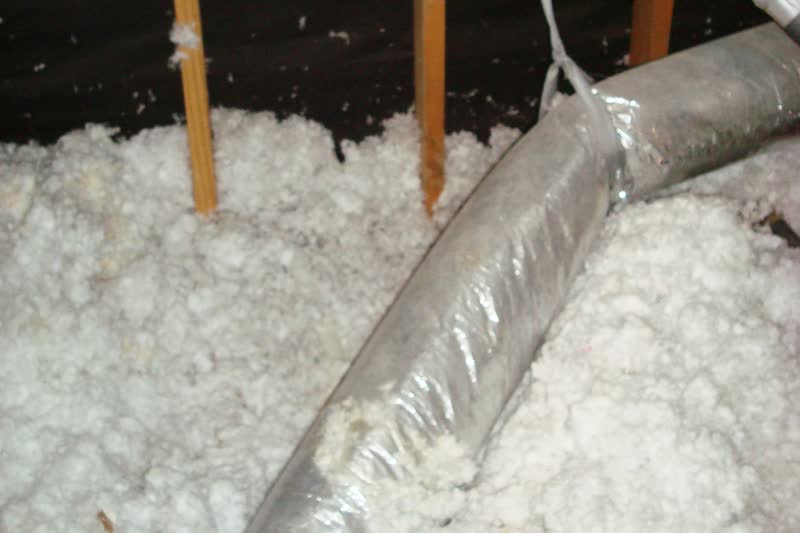
The Short Version

  • A ranked list in place of guesswork
  • The savings come from the fixes that follow
  • Skip it when the problem is already plain

What Is a Residential Energy Audit or Home Energy Audit, and How Deep Does It Go?

A home energy audit, which some people call a residential energy audit, is a top-to-bottom look at how a house uses and loses energy, and it ends in a list of fixes in order of importance. The U.S. Department of Energy's Energy Saver guide calls it the first step to improving a home's comfort and efficiency: an auditor with a recognized credential evaluates the house, then identifies and prioritizes the energy-saving improvements. In its fullest form the guide describes three steps. First come the interview, the inspection and the tests. Second, contractors carry out the improvements. Third, the finished work is checked with safety tests and a visual inspection.

Not every audit goes that deep, and the Department says so. Some take about an hour and use no specialized equipment. Thorough ones take about four hours, use diagnostic equipment and tell you more about the house. The Department also notes that not every professional offers the final check of the finished work. So the useful question is which of these pieces your audit includes, and that is what to ask when you book.

What Is a Blower Door Test, and Does Your Audit Include One?

A blower door test measures how leaky a house is. The U.S. Department of Energy's guide to home energy assessments describes the equipment: a powerful fan mounted in a flexible panel and frame that fits in a doorway. The fan draws air out of the house and lowers the pressure inside, so outdoor air flows in through every unsealed gap. While it runs, the auditor can use a smoke pencil to see exactly where the air comes in.

The Department draws one distinction worth knowing. A calibrated blower door is connected to a pressure gauge called a manometer and gives a measured figure for the airflow through the house. An uncalibrated one can find leaks but cannot say how much the house leaks. ENERGY STAR describes the same test as a way to find the spots to seal and to measure the results of air sealing work, which takes a measured figure before and after.

Whether your audit includes a blower door test is something to ask when you book, along with whether you receive the measured result. If you need a test for a building permit, a home rating or a rebate program, say so on that call. Those tests come with their own paperwork, and the program or the inspector decides who may run them.

Home Energy Audit Checklist: How to Get Ready

The U.S. Department of Energy's preparation list is short. Before the auditor arrives, write down the problems you have noticed, such as condensation and rooms that are drafty or uncomfortable, and have copies or summaries of your recent energy bills ready. Then make the house easy to check. Clear a path to the attic hatch or the pull-down stairs, and know where the furnace or air handler, the water heater and the electrical panel are.

A full audit then works down a list of its own: attic insulation and the leaks beneath it, walls, floors, ductwork, heating and cooling equipment and signs of moisture. If a blower door test is planned, ask how to prepare. The Department's own do-it-yourself version of the test starts by closing the fireplace flues and turning off fuel-burning appliances.

Home Energy Audit Cost: What Drives It, and Why an Average Cost Tells You Little

We don't print a price for an audit, and an average would tell you little. The main reason prices differ is the one the U.S. Department of Energy gives: depth. A quick audit takes about an hour and no special equipment. A thorough one takes about four hours, uses diagnostic equipment and costs more, and an average blends the two. The house sets the rest: its size, the number of heating and cooling systems, how much attic there is to go through, and how easy it is to reach. Each test adds time, and so does a written report.

To compare one home energy audit company with another, ask each the same four things: how long the visit takes, which tests are included, whether the results are measured figures, and what form the findings come in. The Department also notes that many contractors charge less for an assessment when you hire them for the work that follows, so ask about that. For an exact price, call us, tell us about the house and ask before you book anything.

Is There a Tax Credit for a Home Energy Audit in 2026?

Not for an audit done in 2026. Home energy audits were covered by the federal Energy Efficient Home Improvement Credit, and that credit has ended. The IRS page for it says the credit is for improvements made through December 31, 2025. A fact sheet the IRS issued about the July 2025 tax law adds that nothing placed in service after that date qualifies. The same end date appears on ENERGY STAR's page for the home energy audit credit.

While it lasted, the credit was 30 percent of the cost of the audit, up to a cap, and it came with conditions. The IRS required an inspection and a written report naming the most significant and cost-effective improvements, with estimated energy and cost savings. From 2024 the audit also had to be done by, or under the supervision of, a qualified home energy auditor, the IRS's term for someone holding a credential from a program on the Department of Energy's list. An audit that met those rules in 2025 is claimed on that year's return, on Form 5695.

You may still find pages that describe this credit in the present tense. The Department of Energy's home upgrades page did when we read it in October 2026. The IRS administers the credit, so its dates are the ones that count. We are not tax advisers, and a tax professional can confirm how this applies to you.

Are There Free Home Energy Audits in North Carolina?

Yes, for some households, and they are worth checking before you pay for one. Duke Energy offers its customers a home energy assessment, and its own page says the assessment and the energy-saving products that come with it are free, with eligibility depending on the type of assessment. Customers of Dominion Energy, a municipal utility or an electric cooperative should ask their own provider what it offers.

Two state programs include an assessment as well. North Carolina's home energy rebate program, Energy Saver North Carolina, starts its HOMES rebates with a free home assessment and is open only to households earning less than 150 percent of the area median income. The other is weatherization. The North Carolina Department of Environmental Quality administers the Weatherization Assistance Program for households that meet its income limits, and the local agency doing the work carries out a home energy assessment before it draws up the job.

Each of those is tied to its program and leads to the upgrades that program covers, through that program's contractors. A paid audit answers your own questions, and the findings can go to any contractor. Ours is a paid service. If you qualify for a free one, use it first, then call us for an estimate on whatever it finds.

Home Energy Audits FAQs

Is a home energy assessment the same as a home energy audit?

Yes. The U.S. Department of Energy uses the two as one thing: its guide says a home energy assessment is also called a home energy audit, and ENERGY STAR's glossary defines an energy audit as an energy assessment. Home energy inspection, residential energy audit and whole-home energy audit are more names for it. What differs from one to the next is depth, and the name will not tell you which depth you are buying. A rating is a different product. The Home Energy Score is the Department's own rating, which it likens to a miles-per-gallon figure for a car. If you need a rating or a score, say so when you call.

Do I need a certified home energy auditor?

The U.S. Department of Energy's advice is to use one. Its guide to home energy assessments tells homeowners to make sure the auditor they hire holds a recognized credential, and to look for one through their utility, their state or local energy or weatherization office, or ENERGY STAR. The Department also keeps a list of the auditor programs it recognized for the federal tax credit, and that list includes programs run by the Building Performance Institute and the Residential Energy Services Network. If your audit has to satisfy a rebate program, a lender or a rating, that program names the credential it accepts, so check its list before you book anyone. Ask us when you call what credential the person doing your audit holds.

How long does a home energy audit take?

It depends on the depth. The U.S. Department of Energy's Energy Saver guide says some audits take about an hour and use no specialized equipment, while more thorough assessments take about four hours and use diagnostic equipment. A large house, more than one heating and cooling system, or a large attic that is hard to get into all add time. Ask how long yours is expected to take when you book, so you can plan to be home.

Can I do a home energy audit myself?

You can do a useful basic one. The U.S. Department of Energy describes a do-it-yourself assessment as a simple but diligent walk through the house, looking at the places air leaks: where different building materials meet, around outlets, window and door frames, the attic hatch, and where pipes and wires come through. It also describes a simple depressurization test, with the house closed up, the exhaust fans running and a stick of incense held near those spots, and it lists the safety steps to take first. What you cannot do by eye is measure the leakage or see inside the walls. That is what a professional home energy audit with diagnostic equipment adds.

Is a home energy audit the same as a free estimate?

No, and the difference is worth knowing before you call. A free estimate from Insulation Pros answers one question: what a specific job, like attic insulation or air sealing, involves and costs. Most attics we price from the square footage, with no visit. A home energy audit is a paid service that goes through the whole house and ranks everything it could use, including work we don't do. If you already know what you want fixed, ask for the estimate. If you're not sure where the problem is, ask about the audit.

Do I have to hire you for the work the audit recommends?

No. The findings are yours, and you can take them to any contractor or do some of the work yourself. Parts of a typical audit point to trades we're not in, such as heating and cooling equipment, windows or wiring. Where the findings point to attic insulation, old insulation that should come out, air sealing or duct sealing, we'll give you a free estimate if you want one, and you can set it beside anyone else's.

Does a home energy audit include the attic?

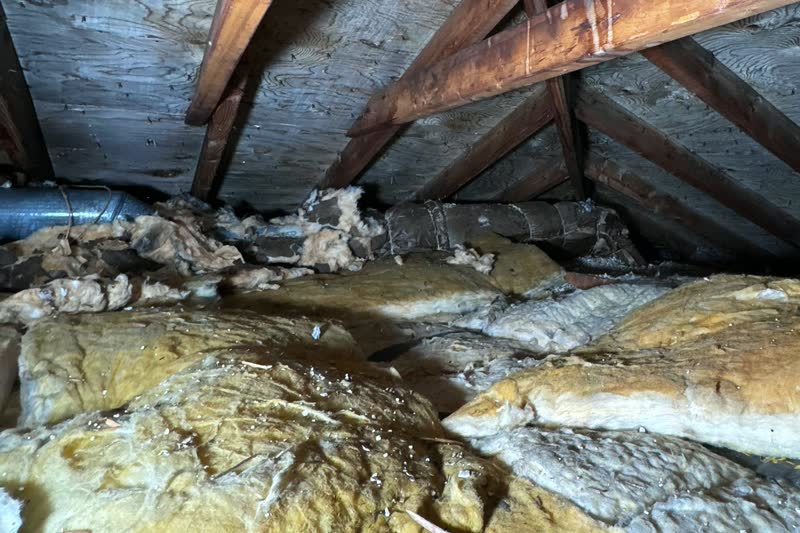
It should, in any house with an attic you can get into. Up there the audit checks how deep the insulation is and whether it is even, wet, packed down or fouled by animals. It also looks for the places where air from the rooms below leaks up, around pipes, wires, light fixtures, the tops of walls and the hatch itself. Ducts that run through the attic get a look at their joints and their insulation. If your hatch is inside a closet, or the attic is hard to reach, mention it when you book, so the visit can plan for it.

Will a home energy audit help with a rebate application?

Sometimes, but read the program's rules first. Energy Saver North Carolina's HOMES rebates start with the program's own free home assessment, and its site says the work must be installed by a contractor registered with the program. A utility rebate has rules of its own. An audit you pay for privately tells you what your house needs. It does not by itself qualify the work for a rebate, so check the program's page before you spend money on either.

Helpful Resources

What to Expect From a Home Energy Auditor

An audit is advice, so judge home energy audit companies by how clearly they tell you what you're buying before you buy it. These are fair things to expect from any auditor, and from us.

  1. A Clear Scope Before You Book

    You should know ahead of time how long the visit takes, which tests are included, whether the results are measured or only observed, and what you'll be handed at the end. A one-hour walk-through and a four-hour assessment with test equipment are both real audits. Paying for one and getting the other is the problem a clear scope prevents.

  2. Findings You Can Act On

    A good audit ends in a short, ranked list. It should say what was found, what to fix first, what can wait and what isn't worth doing. It should also be honest about its limits: an audit estimates savings, and nobody can promise them. If the best first step is a small one, such as sealing the attic floor, that's what you should hear.

  3. A Home Energy Audit Company That Also Does the Work

    We're a family owned and operated company, and attics are our daily work. That helps in an audit, because we know what the fixes involve. It's also fair to be skeptical, since we sell some of those fixes. So the findings are yours to take anywhere, and we name the items that belong to an HVAC contractor, an electrician or a window company. Call or text us, or use the contact form, and Saturday is by appointment.

Home Energy Audit Do's and Don'ts

What to Do

  • Gather a year of utility bills. Twelve months shows the heating season and the cooling season separately.
  • List the problem rooms. Note which rooms are hot, cold, drafty or stuffy, and at what time of day or year.
  • Ask what the audit includes before you book. The tests, the time on site and the form of the findings vary from one audit to the next.
  • Clear the way to the attic. Move whatever blocks the hatch or the pull-down stairs, since much of what an audit needs to see is up there.
  • Check for a free assessment first. Your utility or a state program may offer one if your household qualifies.

What to Avoid

  • Don't confuse a free estimate with an audit. An estimate prices one job, and an audit ranks every fix the house could use.
  • Don't buy equipment before the audit. Sealing and insulating the house first can change how much heating and cooling it needs.
  • Don't count on a 2026 tax credit. By the IRS's dates, the federal credit for home energy audits ended with 2025.
  • Don't expect an audit to lower your bills by itself. The savings come from the work it points to.
  • Don't light a fire before a blower door test. A blower door draws outdoor air in through every opening it can find, so ask how to prepare the fireplace and any fuel-burning appliances.

Home Energy Audits Across North Carolina

We're a family owned and operated insulation company, and we do home energy audits for homeowners all over the state. Pick your town to see what we do nearby, or browse all of our service areas.

Call (336) 870-3893 to ask about an audit.

Cities We Serve


AshevilleCharlotteWinston-SalemGreensboroDurhamRaleighFayettevilleWilmingtonGreenville

Areas We Serve

We serve homes across North Carolina. These are the largest towns we work in.

Alamance County

Buncombe County

Cabarrus County

Cumberland County

Durham County

Forsyth County

Gaston County

Guilford County

Mecklenburg County

New Hanover County

Onslow County

Orange County

Pitt County

(336) 870-3893 Text us Mon–Fri 8am – 5pmSat By appointmentSun Closed 257-4 Grove Ct, Thomasville, NC 27360
View All Service Areas