

Attic Insulation
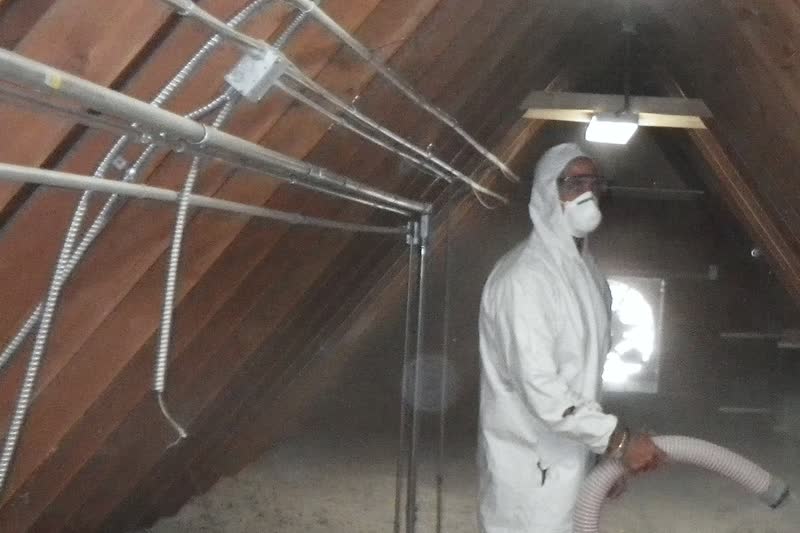
Blown-in fiberglass attic insulation, added to the depth your home needs, to even out hot and cold rooms and cut wasted heating and cooling.
Attic insulation for Greensboro houses of every age, from a blown-in top-up to removal and replacement. We're a family owned and operated company, and most Greensboro attics we can price from the square footage, with no visit. On install day we seal the leaks under what you have and add what's missing. The estimate costs you nothing.
The attic insulation we install is blown-in loose-fill, spread across the attic floor to one even depth. How much work that takes turns mostly on when your house was built, and Greensboro has houses from the early 1900s through the 2020s. This page takes it one era at a time, then covers how much insulation to aim for, whether the old layer can stay and what the price depends on.
Tell us the square footage of your Greensboro attic, or give us the address and we'll work it out from the footprint, and you get a free estimate. If your attic needs a closer look first, we make a special visit. On install day the crew checks the depth from the middle out to the eaves with you and looks for air leaks, moisture and anything that shouldn't be buried. If the right answer is to leave the attic alone, we'll tell you.
See all of our insulation services in Greensboro.

Monday to Friday 8:00 am to 5:00 pm. Saturday by appointment. Sunday closed.
Attic insulation, removal, air sealing and more. Open one to see how the work goes.
Blown-in fiberglass attic insulation, added to the depth your home needs, to even out hot and cold rooms and cut wasted heating and cooling.
Old, wet, matted or animal-soiled attic insulation vacuumed out, so new insulation can go in on a clean, sealed attic floor.
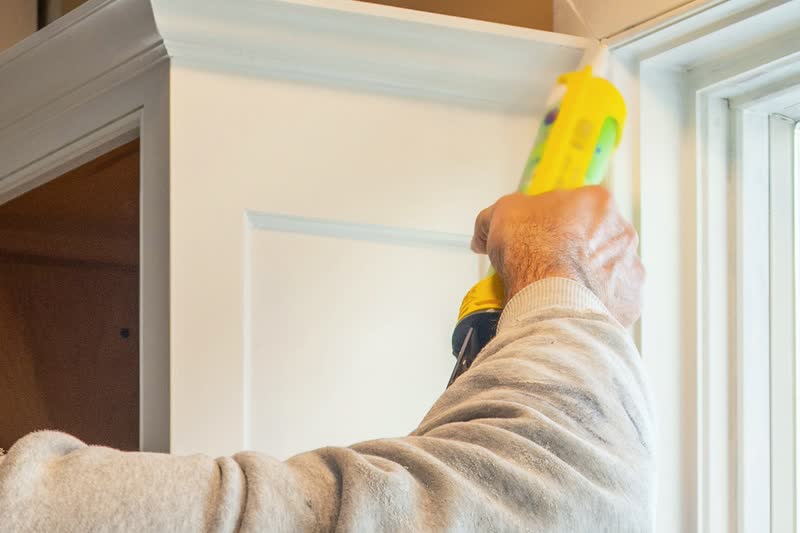
Sealing the gaps between your rooms and the attic, and leaky ductwork, so the air you pay to heat and cool stays inside.
Insulation blown into the closed walls of an existing house, batts in open walls for additions, remodels and new builds, and garage walls and ceilings.
Insulation for the garage ceiling under a bonus room, the wall shared with the house and the garage attic, with air leaks sealed first.
Floor insulation under the house: wet or fallen insulation pulled out, new batts between the floor joists, plastic over the dirt and the floor leaks sealed.
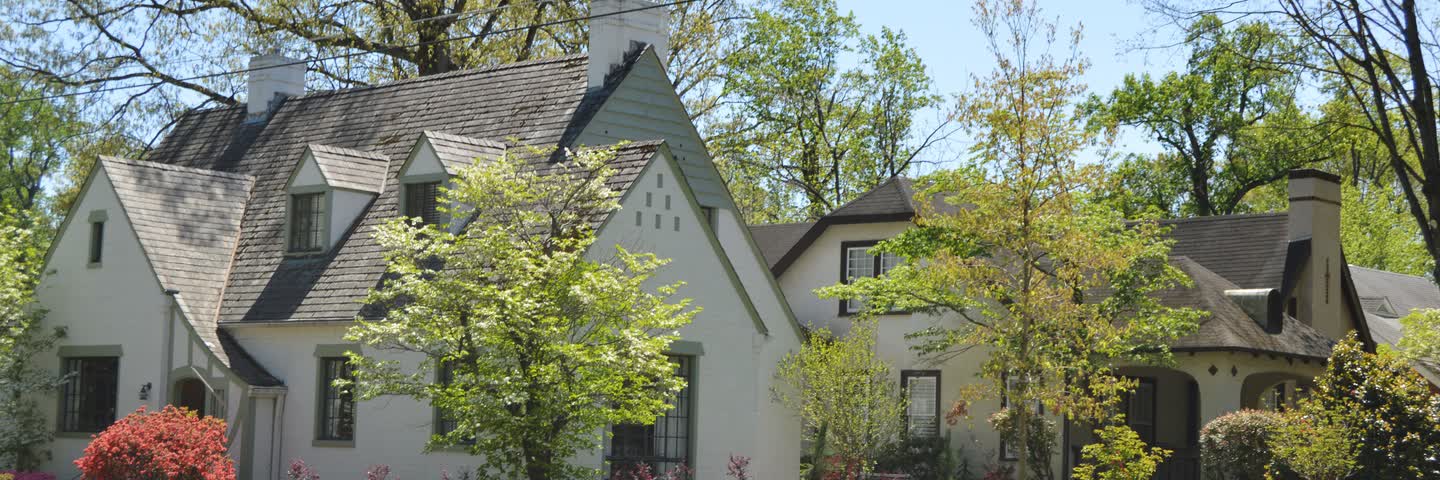
About 6 percent of Greensboro's homes, apartments included, were built before 1940, going by Census Bureau survey estimates for 2020 to 2024. Fisher Park and Irving Park are two well-known neighborhoods from those years. Houses that old often have very little insulation overhead, and the most to check before any is added.
ENERGY STAR tells owners of houses from the 1930s or earlier to say so when they call a contractor, because the attic may hold knob-and-tube wiring, which it calls a possible fire hazard where insulation touches it. If we find any, the job waits for an electrician. A masonry chimney needs room too: by ENERGY STAR's account, building codes usually require 2 inches between it and anything that can burn, insulation included. With those dealt with, air sealing closes the ceiling leaks and loose-fill goes in, filling joist bays of any width.
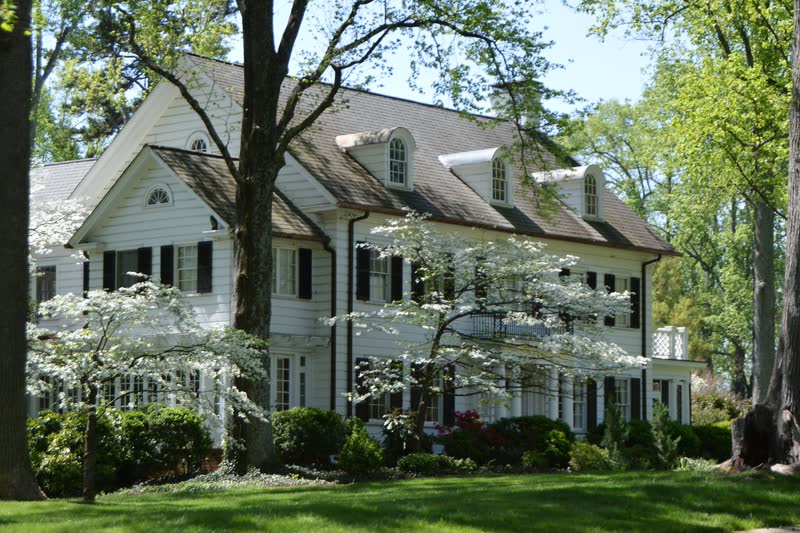
Greensboro built fast in the decades after World War II. The same Census estimates put about a third of the city's homes in the 1950s, 1960s and 1970s, and many of its ranches and split-levels date from then. Their attics tend to be wide, low and easy to get into, with a thin layer by current standards that has often packed down.
The ceiling leaks get sealed first. Why air sealing comes before insulation is the subject of one of our guides. Then baffles go in where the low roof meets the outside walls, and one level layer is blown over what's there. ENERGY STAR's quick test tells you whether to call: if the insulation sits level with the tops of the joists or below them, the attic needs more. A split-level can have more than one attic, and each one counts.
Sometimes it doesn't. More than half of Greensboro's homes were built in 1980 or later, by the same Census figures, and not all of them are short of insulation. ENERGY STAR's rule of thumb: if the insulation sits well above the joists and is spread evenly, you probably have enough, and more may not pay for itself. If that's your attic, we'll say so, and we won't sell you a deeper layer.
The likelier trouble in the larger houses from those years is at the edges and in the ductwork. ENERGY STAR notes that insulation is sometimes deep at the center of an attic and scarce out at the eaves. Duct joints should be sealed before insulation goes near them. Whether to bury the ducts is a separate question. ENERGY STAR says insulation over sealed ducts that lie on the attic floor is fine and can even help. The U.S. Department of Energy's Building America guidance is stricter for humid climates like the Triad's: it wants those ducts coated in closed-cell spray foam first, so they do not sweat under the insulation. Insulation Pros does not install spray foam, so the written estimate says plainly how the ducts in your attic will be handled.
Between R-38 and R-60. Two things decide where in that range: the climate zone, and what the attic holds now. ENERGY STAR sets its recommendations for existing houses by climate zone, and Guilford County falls in two of them: North Carolina's 2018 code lists it in zone 4, and the newer national map behind ENERGY STAR's table puts it in zone 3.
The table then asks what is already up there. For an uninsulated attic, and a pre-war attic can come close to that, ENERGY STAR gives R-49 on the zone 3 line and R-60 on the zone 4 line. If yours has 3 to 4 inches, as a thinly insulated ranch might, its figures are R-38 and R-49. A newer attic may already sit at the R-38 that North Carolina's code asks builders for in a new home's ceiling. Our written estimate names the R-value, the material and the depth.
Usually it can. ENERGY STAR says a contractor can add to what's there, with four exceptions: insulation that's wet, moldy, smelly or fouled by animals. Age isn't on that list, so a thin, dusty layer in a 1960s ranch can stay and be covered.
When the old layer fails that test, we take it out as part of replacing it: the cause is found, the damaged material is removed, the bare ceiling is air sealed and new insulation goes in. The signs listed here call for that, with one exception. ENERGY STAR warns that vermiculite, a loose fill that looks like small pebbles, can carry asbestos and should be left undisturbed, so we stop and point you to an asbestos professional.
Each page has local notes on the homes and attics in that town.
Guilford County, 8 miles northwest
Median home built 2000, 15 years newer than Greensboro's
Insulation contractor serving SummerfieldGuilford County, 12 miles southwest
Median home built 1989, 4 years newer than Greensboro's
Insulation contractor serving High PointForsyth County, 14 miles west
Median home built 1995, 10 years newer than Greensboro's
Attic insulation contractor serving KernersvilleRandolph County, 15 miles southwest
Median home built 1986, 1 year newer than Greensboro's
Insulation contractor serving ArchdaleAlso in Guilford County: Gibsonville, Jamestown, Oak Ridge, Pleasant Garden, Sedalia, Stokesdale, and Whitsett. Every town in Guilford County. See all service areas.
Local service pages: Attic Insulation in Asheville, Attic Insulation in Charlotte, Attic Insulation in Durham, Attic Insulation in Fayetteville, Attic Insulation in Greenville, Attic Insulation in High Point, Attic Insulation in Lexington, Attic Insulation in Raleigh, Attic Insulation in Thomasville, Attic Insulation in Wilmington, Attic Insulation in Winston-Salem.
You won't find a price on this page, because the attic sets it. A ranch keeps every room under one attic, so it has more floor to cover than a two-story house of the same size. We price most attics from that floor area, plus how far your insulation falls short of the target R-value, how much air sealing comes first and whether damaged material has to be replaced. Give us the square footage and the estimate is free.
For a thin attic, usually. Greensboro needs both heating and cooling: NOAA's 1991 to 2020 climate normals for Piedmont Triad International Airport put the typical July high in the upper 80s and the typical January low near 30. ENERGY STAR puts the average saving from air sealing a home and adding insulation at 15 percent of heating and cooling costs. An attic that's already deep and even gains far less.
Savings vary. Find out why in the seller's fact sheet on R-values. Higher R-values mean greater insulating power.
Yes. Insulation that's wet, moldy, smelly or fouled by animals gets vacuumed out of the Greensboro attic, the bare ceiling is sealed, and in most homes a new layer goes in after that. If you want the old insulation out with nothing going back in, ask about that when you call. Vermiculite is the one exception. That pebble-like fill can carry asbestos, so it stays where it is until an asbestos professional has dealt with it.
For an open attic floor, blown-in insulation is the usual answer, and it is the attic insulation we install. It covers a wide, flat area at one even depth, settles in around wiring and framing, and can go over an old layer that is dry and clean. Spray foam is a different job, sprayed onto the underside of the roof or into closed-in spots such as the knee walls of a bonus room. We do not install spray foam at all. Those spots are a question for a company that sprays foam.
ENERGY STAR's project guide puts a contractor's time on an attic insulation job at one to two days. A ranch with a clear, open floor and a few leaks to seal is the short version. A pre-war house that needs an electrician first, an attic crowded with ducts, or one where damaged insulation has to come out and be replaced all take longer.
Call or text us, or use our contact page. Give us the square footage of the attic or the house, or your address so we can work it out from the footprint, and tell us what you've noticed. Most Greensboro attics we can price that way, with no visit. If yours needs a closer look, we make a special visit. On install day the crew goes over the insulation, the air leaks and any ducts with you before work starts. The estimate is free, and you decide in your own time.
Attic Insulation
There is no price list here, on purpose. See the seven things that move attic insulation cost up or down, why a per-square-foot number misleads and how to compare two written estimates line by line.
Attic Insulation
North Carolina's energy code requires R-38 in a new ceiling, and ENERGY STAR recommends more for existing attics. See both numbers, which climate zone your county is in and how many inches each R-value takes.
Census Bureau figures for Greensboro, NOAA normals for the Greensboro Water Plant station, Duke Energy (October 2026). Compiled by Insulation Pros. How the town pages are made.
Greensboro, NC
Open in Google Maps (opens in a new tab)Insulation Pros is an insulation contractor serving North Carolina, and Greensboro prices come free, with no sales pitch.
Is your Greensboro attic doing its job? Send its square footage through the contact page, or call. We'll tell you what the attic needs and what it doesn't, and the estimate is free.
What You Can Count On
We serve homes across North Carolina. These are the largest towns we work in.
Alamance County
Buncombe County
Cabarrus County
Cumberland County
Durham County
Forsyth County
Gaston County
Guilford County
Mecklenburg County
New Hanover County
Onslow County
Orange County
Pitt County
Wake County