Attic Insulation
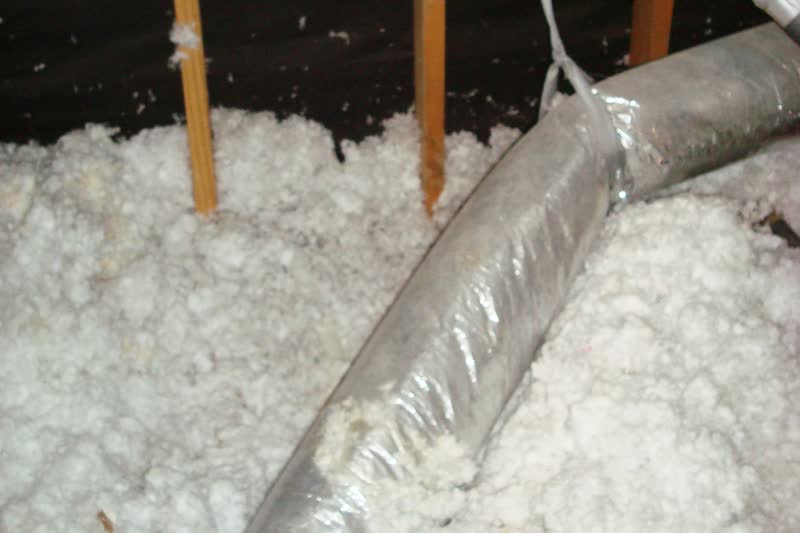
Blown-in fiberglass attic insulation, added to the depth your home needs, to even out hot and cold rooms and cut wasted heating and cooling.
Attic insulation in Winston-Salem, NC, for houses from every decade: blown in over a sound layer, or laid fresh after a spoiled one is vacuumed out, with the ceiling's air leaks sealed first. Most attics we price from the square footage, with no visit, and the estimate is free.
The attic insulation we put into Winston-Salem homes is blown-in loose-fill fiberglass, spread across the attic floor to one even depth once the gaps in the ceiling are closed. When the old layer is wet, moldy, smelly or fouled by animals, we vacuum it out, sanitize and deodorize after mice, and start over. What the job takes beyond that depends on the house.
The Census Bureau's estimates for 2020 to 2024 put the median year built for the city's housing at 1981, so many attics here may still hold insulation that went in more than forty years ago. Give us the square footage of yours, or your address so we can work it out from the footprint, and we'll tell you plainly whether adding more is worth the money. If your attic needs a closer look first, we make a special visit. On install day the crew checks the depth at the center and out at the eaves with you before any work starts.
See all of our insulation services in Winston-Salem.

Monday to Friday 8:00 am to 5:00 pm. Saturday by appointment. Sunday closed.
Attic insulation, removal, air sealing and more. Open one to see how the work goes.
Blown-in fiberglass attic insulation, added to the depth your home needs, to even out hot and cold rooms and cut wasted heating and cooling.
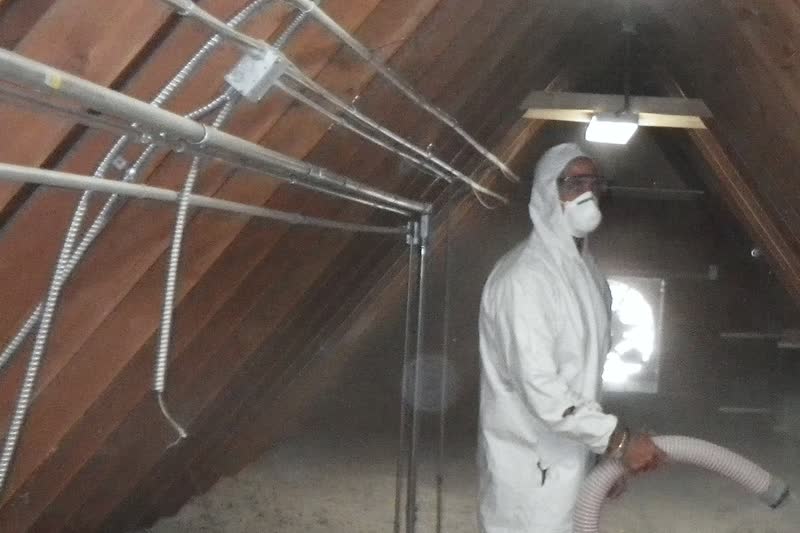
Old, wet, matted or animal-soiled attic insulation vacuumed out, so new insulation can go in on a clean, sealed attic floor.
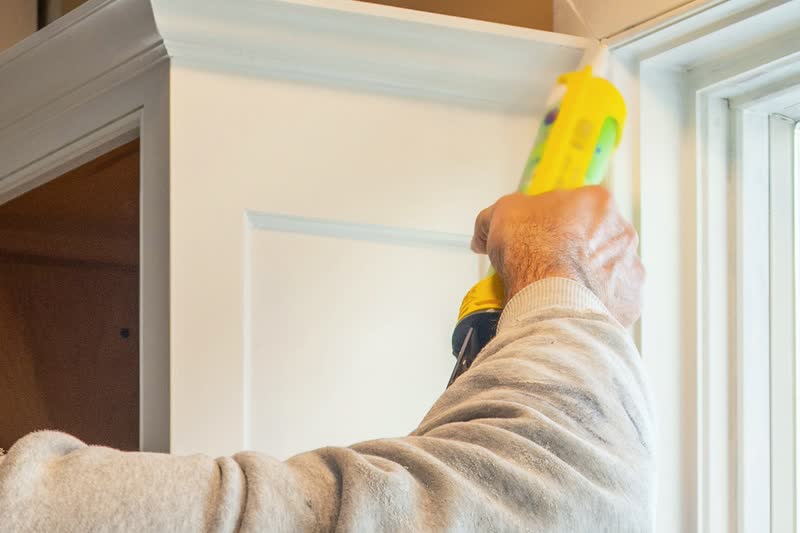
Sealing the gaps between your rooms and the attic, and leaky ductwork, so the air you pay to heat and cool stays inside.
Insulation blown into the closed walls of an existing house, batts in open walls for additions, remodels and new builds, and garage walls and ceilings.
Insulation for the garage ceiling under a bonus room, the wall shared with the house and the garage attic, with air leaks sealed first.
Floor insulation under the house: wet or fallen insulation pulled out, new batts between the floor joists, plastic over the dirt and the floor leaks sealed.
The same Census estimates show how the city was built. About 8 percent of Winston-Salem's housing units date from 1939 or earlier, and 16 percent from the 1940s and 1950s. The 1960s and 1970s account for about 24 percent and the 1980s and 1990s for about 27 percent, with the 1980s the largest single decade. About 14 percent are from the 2000s and 12 percent from 2010 or later.
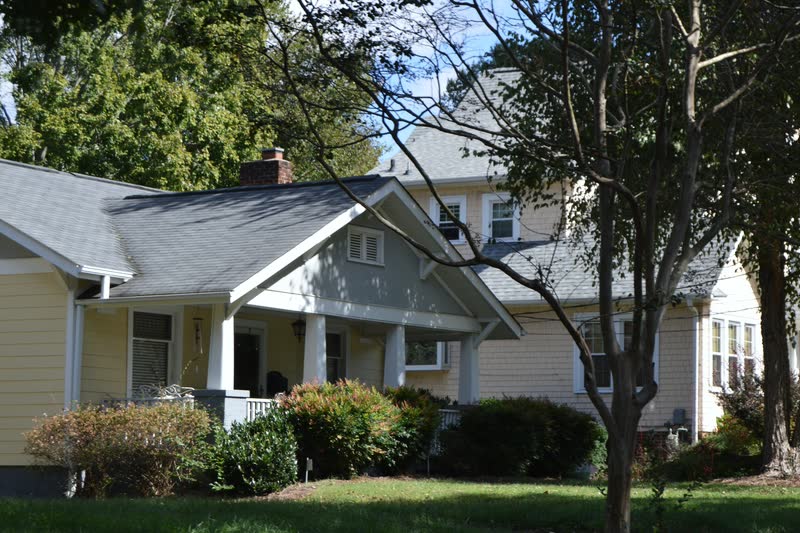
Each era points to a different first check. In the oldest houses the wiring and the chimney come before anything else, and the section on flues below explains the chimney rule. In the half of the city's housing that went up from the 1960s through the 1990s, the usual question is depth and coverage, because loose-fill packs down over the years and trips to run cable or ducts leave paths pushed through it. In the newest houses the attic may need nothing at all, and if so, that's what we'll tell you.
Forsyth County sits where two climate maps disagree. North Carolina's 2018 energy code lists it in zone 4. The map drawn for the 2021 national model code, the one ENERGY STAR's insulation table follows, places it in zone 3, and the Department of Energy's 2022 county guide records the change.
The disagreement matters less than it sounds. R-49 shows up on both rows of ENERGY STAR's table: it's the zone 3 figure for an attic with nothing in it and the zone 4 figure for one that already holds 3 to 4 inches. The state's minimum for the ceiling of a new house, R-38, marks the low end, and R-60 the high end. So the honest target for a Winston-Salem attic is a range with R-49 in the middle, and the estimate names the one we'd aim for in yours.
Whatever sound, dry insulation is already up there counts toward that target, so a top-up only has to make up the difference. The R-value guide further down this page turns each target into inches of cellulose or fiberglass.
NOAA's climate normals for 1991 to 2020 at Smith Reynolds Airport put the typical July high at 88 degrees and the typical January low near 31. In an average year the station records about 64 days when the low reaches freezing or below, and about 33 days that hit 90 degrees or more.
So an attic floor here earns its keep in both seasons. On a winter night the insulation holds heat in the rooms below while warm air presses up through any gap in the ceiling. On a summer afternoon it slows the heat coming down from a sun-baked roof. That's why ENERGY STAR wants the leaks in the attic floor sealed before insulation goes in: loose-fill slows heat but doesn't stop moving air, and a thick new layer would hide the gaps from view.
By the Census Bureau's 2020 to 2024 estimates, electricity heats about 61 percent of the city's occupied homes. Utility gas heats about 32 percent of the homes and fuel oil or kerosene about 4 percent, and an older fuel-burning furnace or water heater often vents through a metal flue or a masonry chimney. Where that passes up through the attic floor, the insulation has to keep its distance.
ENERGY STAR says building codes usually require 1 inch of clearance between a metal flue and anything that can burn, insulation included, and 2 inches at a masonry chimney. The gap where the pipe or the chimney comes through is closed with lightweight aluminum flashing and heat-resistant caulk, and a metal dam keeps the loose-fill back. That work gets a line of its own on the estimate, and if anything about the flue itself looks wrong, it goes to a heating contractor.
A radiant barrier, the reflective foil fastened under the roof, is an extra in Winston-Salem, not a first step. Pacific Northwest National Laboratory's brief on radiant barriers says they can be cost-effective in hot-humid and hot-dry climates and are seldom cost-effective in cold ones, and the laboratory's 2022 county guide puts Forsyth County in the mixed-humid region, between the two.
The Building America Solution Center's guide narrows it further. Once an attic is insulated to R-30 or better, it says, there's very little heat flow left for the foil to cut, and the clear exception is ductwork in the attic, which a radiant barrier keeps cooler in summer. So the ceiling gets sealed, the insulation comes up to its target and the duct joints get sealed first. That's the work we do.
Each page has local notes on the homes and attics in that town.
Forsyth County, 9 miles southwest
Median home built 1994, 13 years newer than Winston-Salem's
Attic insulation contractor serving ClemmonsForsyth County, 9 miles west
Median home built 1987, 6 years newer than Winston-Salem's
Insulation contractor serving LewisvilleForsyth County, 10 miles east
Median home built 1995, 14 years newer than Winston-Salem's
Attic insulation contractor serving KernersvilleAlso in Forsyth County: Bethania, Rural Hall, Tobaccoville, and Walkertown. Every town in Forsyth County. See all service areas.
Local service pages: Attic Insulation in Asheville, Attic Insulation in Charlotte, Attic Insulation in Durham, Attic Insulation in Fayetteville, Attic Insulation in Greensboro, Attic Insulation in Greenville, Attic Insulation in High Point, Attic Insulation in Lexington, Attic Insulation in Raleigh, Attic Insulation in Thomasville, Attic Insulation in Wilmington.
We don't print a price, since no two attics are the same job. We price most attics from the size of the attic floor, plus the gap between the depth you have and the R-value we agree on, the leaks and flues to seal first, and whether spoiled insulation has to be vacuumed out. Give us the square footage and the estimate is free. If your attic needs a closer look before we can price it, we make a special visit.
Less often than people expect. ENERGY STAR's guide to hiring an insulation contractor says taking out existing insulation is usually not necessary, and it lists four exceptions: insulation that is wet, moldy, smelly or holds animal waste. If yours is one of those, the cause is dealt with first. Then the spoiled insulation is vacuumed out, the bare ceiling is sealed and new insulation is blown in.
Yes, where we can reach them. Loose joints, seams and register boots on attic ducts are sealed with mastic or foil tape rated for ducts, and that work gets its own line on the estimate. A duct that's crushed or has come apart needs a heating and cooling contractor, and we point it out instead of taping over it.
All of them, and the rest of North Carolina as well. Kernersville, Clemmons and Lewisville have pages of their own, and it works the same way there as in the city: give us the square footage, and most attics we can price with no visit.
Make sure the crew can get to the hatch or the pull-down stairs, which can mean moving a closet shelf or a parked car. When you call, a few facts help too: the square footage, the rough age of the house, the fuel that heats it and the water, any roof leak you know of and the rooms that never feel right. If you've heard scratching overhead, say so.
Call or text us on a weekday, ask about a Saturday, or send the contact form whenever it suits you. Tell us the square footage of the attic or the house, or the street so we can work it out, roughly when the house was built and what made you call. The estimate is free.
Attic Insulation
North Carolina's energy code requires R-38 in a new ceiling, and ENERGY STAR recommends more for existing attics. See both numbers, which climate zone your county is in and how many inches each R-value takes.
Attic Insulation
There is no price list here, on purpose. See the seven things that move attic insulation cost up or down, why a per-square-foot number misleads and how to compare two written estimates line by line.
Census Bureau figures for Winston-Salem, NOAA normals for the Winston-Salem Reynolds Airport station, Duke Energy Carolinas (October 2026). Compiled by Insulation Pros. How the town pages are made.
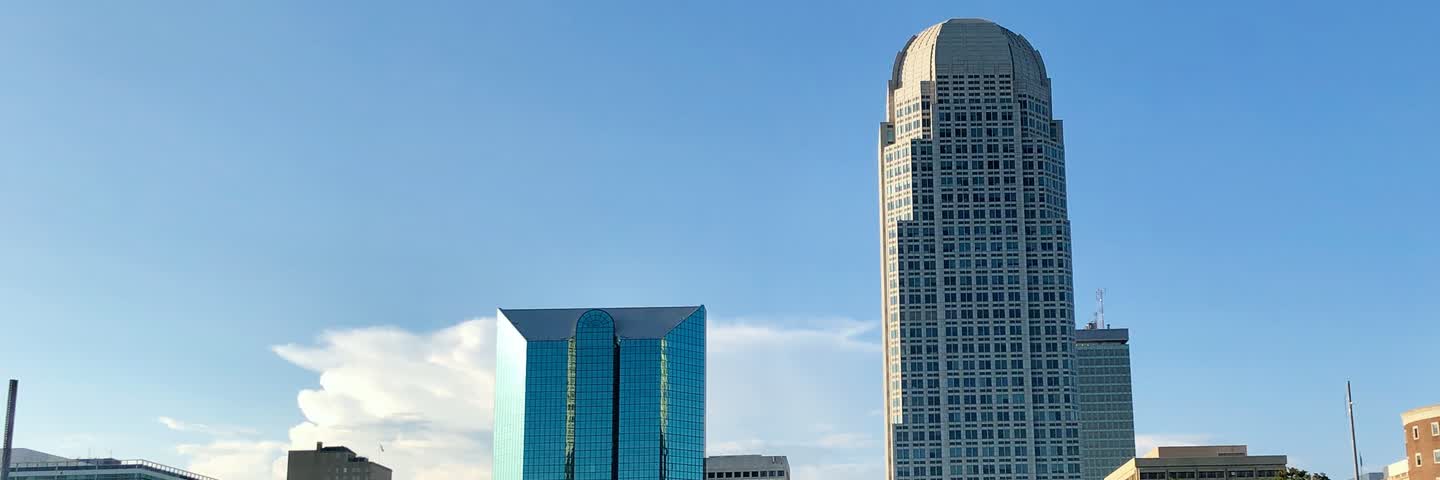
Winston-Salem, NC
Open in Google Maps (opens in a new tab)Insulation Pros is an insulation contractor serving North Carolina, with free attic prices for every Winston-Salem street.
Not sure what's over your Winston-Salem ceilings? Send the square footage through the contact form, or call. We'll tell you what the attic needs, if anything, and give you the price, free of charge.
What You Can Count On
We serve homes across North Carolina. These are the largest towns we work in.
Alamance County
Buncombe County
Cabarrus County
Cumberland County
Durham County
Forsyth County
Gaston County
Guilford County
Mecklenburg County
New Hanover County
Onslow County
Orange County
Pitt County
Wake County