


Attic Insulation
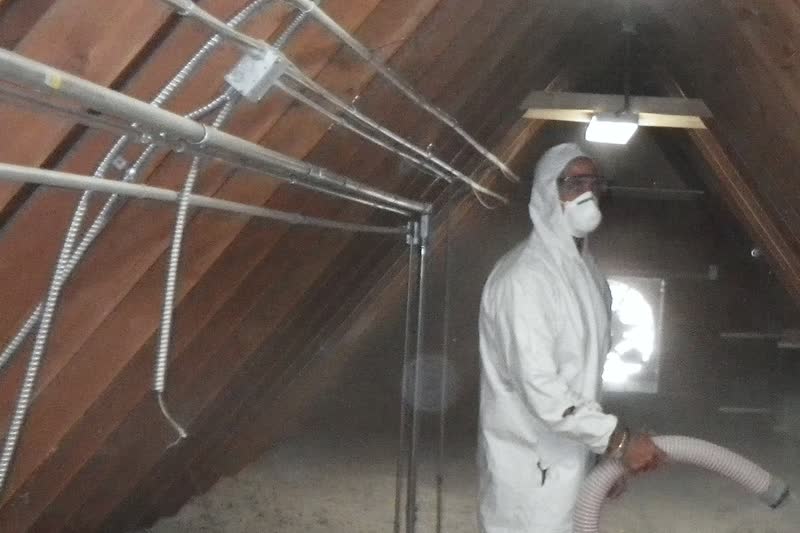
Blown-in fiberglass attic insulation, added to the depth your home needs, to even out hot and cold rooms and cut wasted heating and cooling.
If the rooms under your attic run cold all winter and hot all summer, a Durham attic short on insulation is the likely reason. We seal the ceiling, baffle the eaves and blow loose-fill in to the R-value your price names, vacuuming out any ruined layer first. We can usually quote yours from its square footage, and the estimate is free.
In a Durham home, the attic insulation we put in is blown-in loose-fill fiberglass. It's spread over a ceiling with its gaps sealed, one even depth from the hatch out to the eaves, and most of the time it goes right on top of what's there already. If that old layer has taken on water or mold, smells, or has had animals living in it, we vacuum it out, and sanitize and deodorize where mice have been, before anything new goes down.
Durham's housing has a median year built of 1995 in the Census Bureau's 2020 to 2024 survey, but the range here is wide, from 1910s Foursquares to houses finished in the last few years. Most of them don't need a trip out to be priced. Send the square feet, or an address we can work from, and tell us what you know about the attic. If it needs nothing, we'll say so. If it needs a closer look, we'll make a special visit.
See all of our insulation services in Durham.

Monday to Friday 8:00 am to 5:00 pm. Saturday by appointment. Sunday closed.
Attic insulation, removal, air sealing and more. Open one to see how the work goes.
Blown-in fiberglass attic insulation, added to the depth your home needs, to even out hot and cold rooms and cut wasted heating and cooling.
Old, wet, matted or animal-soiled attic insulation vacuumed out, so new insulation can go in on a clean, sealed attic floor.
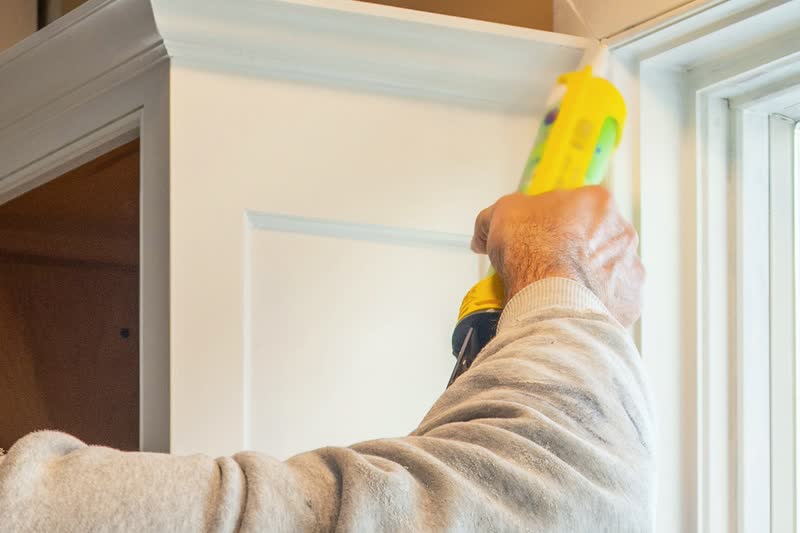
Sealing the gaps between your rooms and the attic, and leaky ductwork, so the air you pay to heat and cool stays inside.
Insulation blown into the closed walls of an existing house, batts in open walls for additions, remodels and new builds, and garage walls and ceilings.
Insulation for the garage ceiling under a bonus room, the wall shared with the house and the garage attic, with air leaks sealed first.
Floor insulation under the house: wet or fallen insulation pulled out, new batts between the floor joists, plastic over the dirt and the floor leaks sealed.
A Durham attic has two possible targets, because the county changes zone between the maps. North Carolina's energy code lists Durham County in zone 4, and the map drawn for the 2021 national model code moves it to zone 3. ENERGY STAR's table follows the newer map. It puts zone 3 at R-49 for a bare attic and R-38 over 3 to 4 inches, and its zone 4 figures are R-60 and R-49.
In practice we pick a point in that range for your attic and tell you why. The floor is R-38, the state's code minimum for a new ceiling, and whatever dry insulation is already up there counts toward the total, so you only pay to fill the gap. Our R-value guide gives the inches for each target in cellulose and in loose-fill fiberglass.
Blown-in insulation is loose fiberglass or cellulose that a machine sends up a hose into the attic, where it gets spread out level. The kind we blow in is fiberglass. It fills around wiring, pipes and odd framing, so it works in an older attic with uneven joist spacing as well as a newer one crisscrossed by ducts. The new layer doesn't need to match the type already there, ENERGY STAR says.
What happens before the blowing matters just as much. ENERGY STAR says any attic insulation estimate should include baffles, which keep the soffit vents open at the eaves, and ours does. Recessed lights without an insulation-contact rating get covers or new fixtures, and flues and chimneys keep their clearance. Once the job's done, the Federal Trade Commission's R-value Rule entitles you to a receipt showing the area covered, the installed and settled thickness, the R-value and the bag count.
The way into the attic is often the leakiest spot in the whole ceiling. ENERGY STAR lists the attic hatch among the common air leaks, and a hatch or a set of pull-down stairs is a thin panel sitting in an otherwise deep floor. So the access gets weatherstripped and insulated as part of the job, and a dam around the opening keeps the loose-fill from spilling every time you open it.
Some attics have been floored for storage. Insulation under plywood on the joists can only be as deep as the joists are tall, which leaves it well short of the target. If the storage has to stay, one way is to fill under the boards as far as they allow and bring the rest of the attic to full depth. Another is a raised platform over full-depth insulation, and our guide to attic flooring explains that one. Mention any flooring when you send the square footage, since it changes the job.
Durham's summers depend on where you measure. The Durham station's average July high is about 87 degrees in NOAA's 1991 to 2020 normals. The Raleigh-Durham International Airport station, about 10 miles away, averages about 91, with roughly 52 days a year at 90 or more. Either way, a summer attic gets far hotter than the air outside.
Ducts in that attic carry cooled air through the heat, so their joints get sealed with mastic or a metal foil tape before any insulation goes near them. If a run is crushed or has come apart, we won't just tape over it. We'll show you, and it goes to a heating and cooling contractor.
Each page has local notes on the homes and attics in that town.
Orange County, 9 miles southwest
Median home built 1988 (Durham: 1995)
Attic insulation in Chapel HillWake County, 10 miles south
Median home built 2007 (Durham: 1995)
Attic insulation in MorrisvilleOrange County, 13 miles northwest
Median home built 2001 (Durham: 1995)
Attic insulation in HillsboroughWake County, 18 miles southeast
Median home built 1997 (Durham: 1995)
Insulation contractor serving RaleighEvery town in Durham County. See all service areas.
Local service pages: Attic Insulation in Asheville, Attic Insulation in Charlotte, Attic Insulation in Fayetteville, Attic Insulation in Greensboro, Attic Insulation in Greenville, Attic Insulation in High Point, Attic Insulation in Lexington, Attic Insulation in Raleigh, Attic Insulation in Thomasville, Attic Insulation in Wilmington, Attic Insulation in Winston-Salem.
There's no price on this page, because each attic sets its own. The area of the attic floor is most of the figure, so we usually don't need to come out to give you one. The rest depends on how far your current depth is from the target R-value, how much sealing has to come first, and whether a ruined layer must come out. You get it in writing, free, with nothing tacked on.
You can, and some homeowners do. ENERGY STAR rates the project moderate to difficult, and the work starts with air sealing, baffles and clearances, not with the machine. Our guide to doing it yourself walks through the steps and says when it makes more sense to hire. If you start and find wet insulation, droppings or old wiring, stop there and have someone look at it.
Often, when it comes with air sealing. Warm air rises and slips out through gaps in the ceiling. Cold air gets pulled in lower down to take its place, so a draft at the floor can start at the top of the house. Sealing the attic floor handles the leaks, and the added insulation slows heat loss through the ceiling. Windows and doors play a part too, and we'll tell you honestly if they're the bigger problem.
Call or text, or send the contact form whenever it suits you. Give us the attic's size, or the street address, plus about when the house was built and what's got you thinking about the attic: cold rooms, a hot upstairs, insulation that looks flattened. We'll come back with a written price. If you book, the crew checks the attic with you on install day before they start.
Attic Insulation
Plywood nailed to the joists squeezes the insulation under it. Learn how high a storage platform needs to sit, how it is framed, why sealing comes first, and what to know about trusses and the path to the air handler.
Attic Insulation
A working guide to blowing insulation into your own attic: the safety checks, how machine rental works, counting bags from the chart, baffles and depth markers, the steps, and when hiring is the better call.
Census Bureau figures for Durham, NOAA monthly normals for the Durham station, NOAA normals for the Raleigh-Durham International Airport station, ENERGY STAR recommended insulation R-values, ENERGY STAR attic insulation project, ENERGY STAR Well-Insulated and Sealed Attic page, ENERGY STAR attic air sealing project, FTC R-value Rule (16 CFR 460.17) (October 2026). Compiled by Insulation Pros. How the town pages are made.
Durham, NC
Open in Google Maps (opens in a new tab)Insulation Pros is an insulation contractor serving North Carolina, and that includes Durham. Give us the size of your attic and we'll give you a free price.
Want to know what your Durham attic needs? Call or text, or tell us its size on the contact form. You'll hear back with a free price that covers the work your attic needs and nothing it doesn't.
What You Can Count On
We serve homes across North Carolina. These are the largest towns we work in.
Alamance County
Buncombe County
Cabarrus County
Cumberland County
Durham County
Forsyth County
Gaston County
Guilford County
Mecklenburg County
New Hanover County
Onslow County
Orange County
Pitt County
Wake County